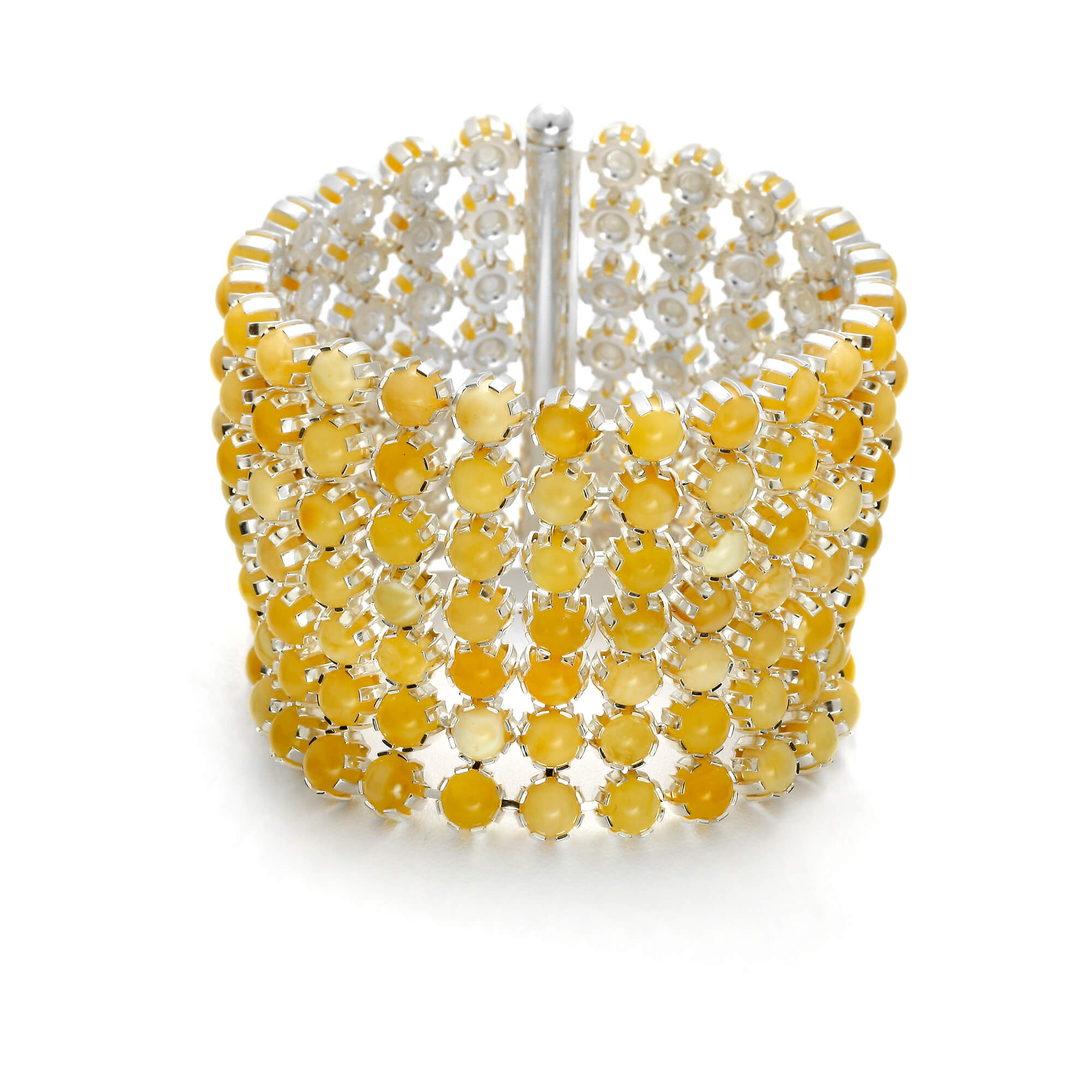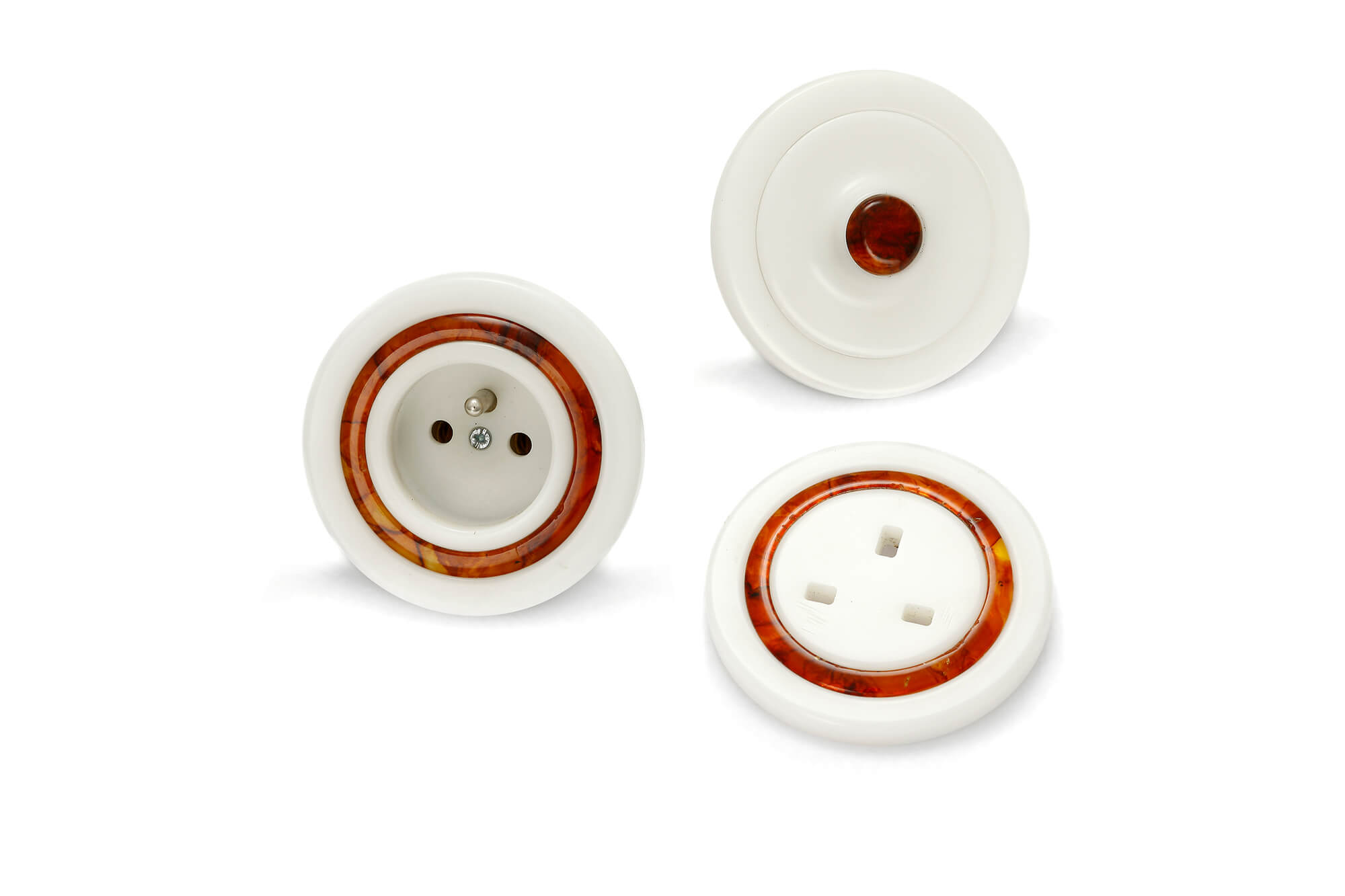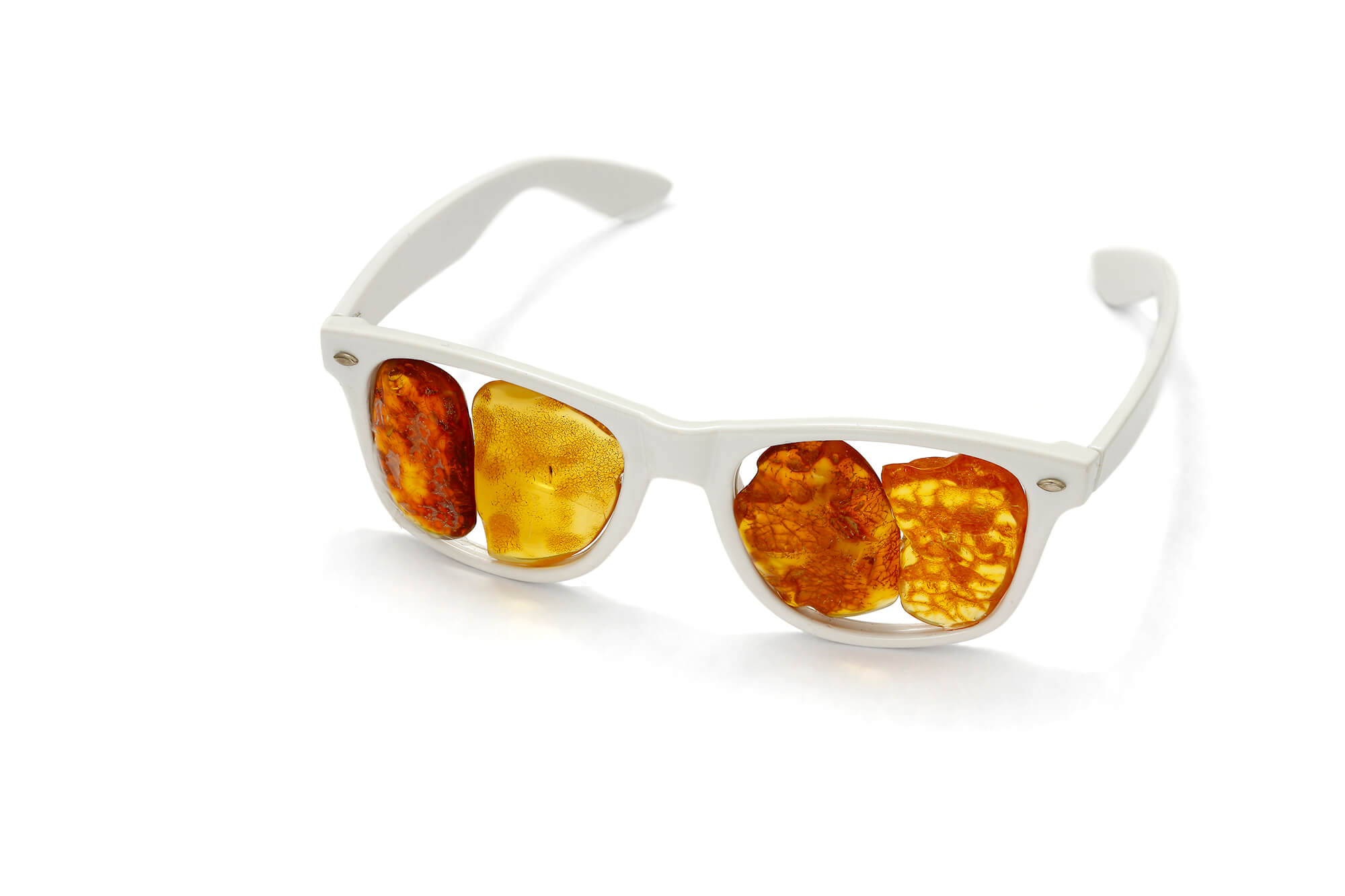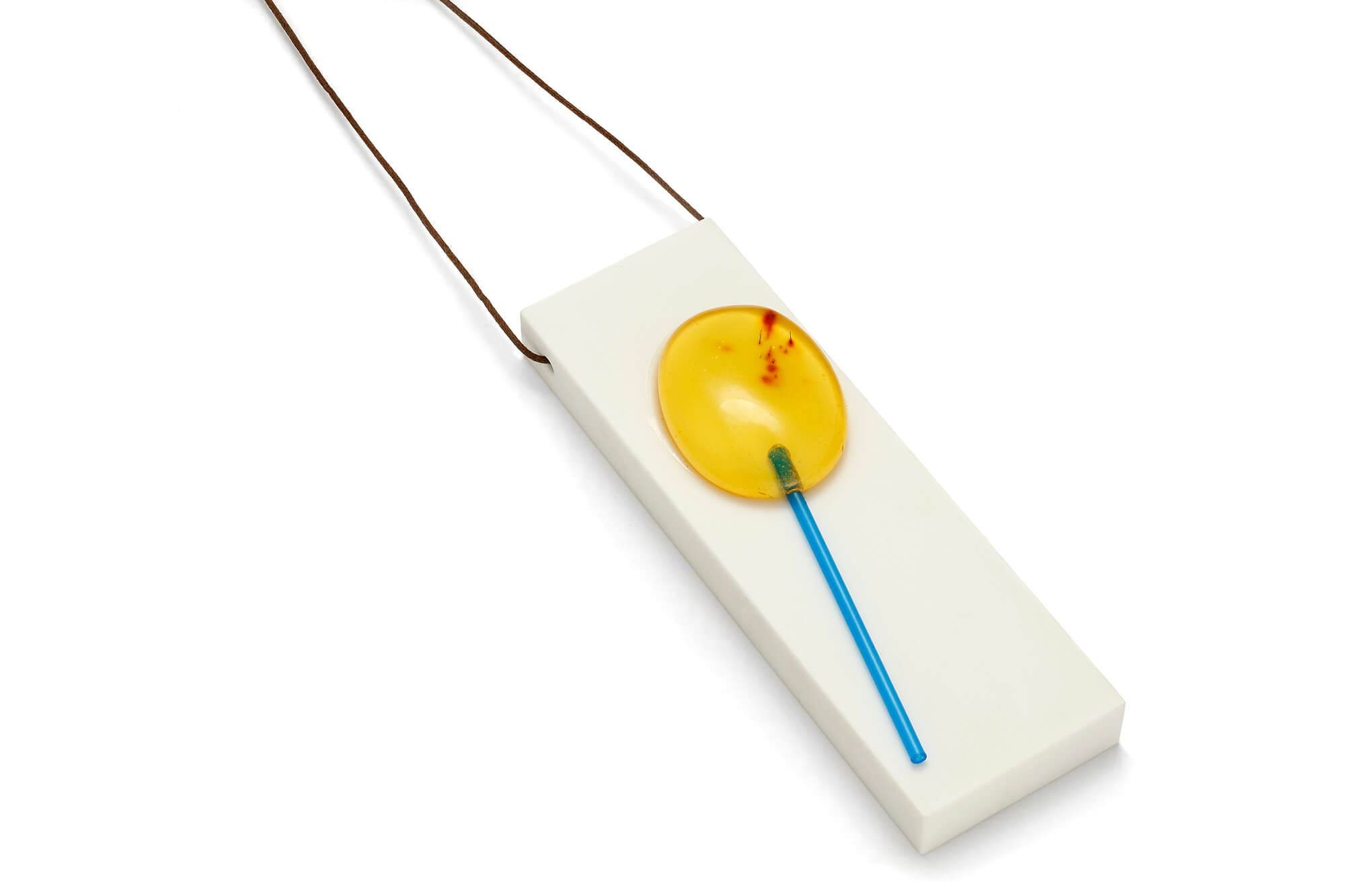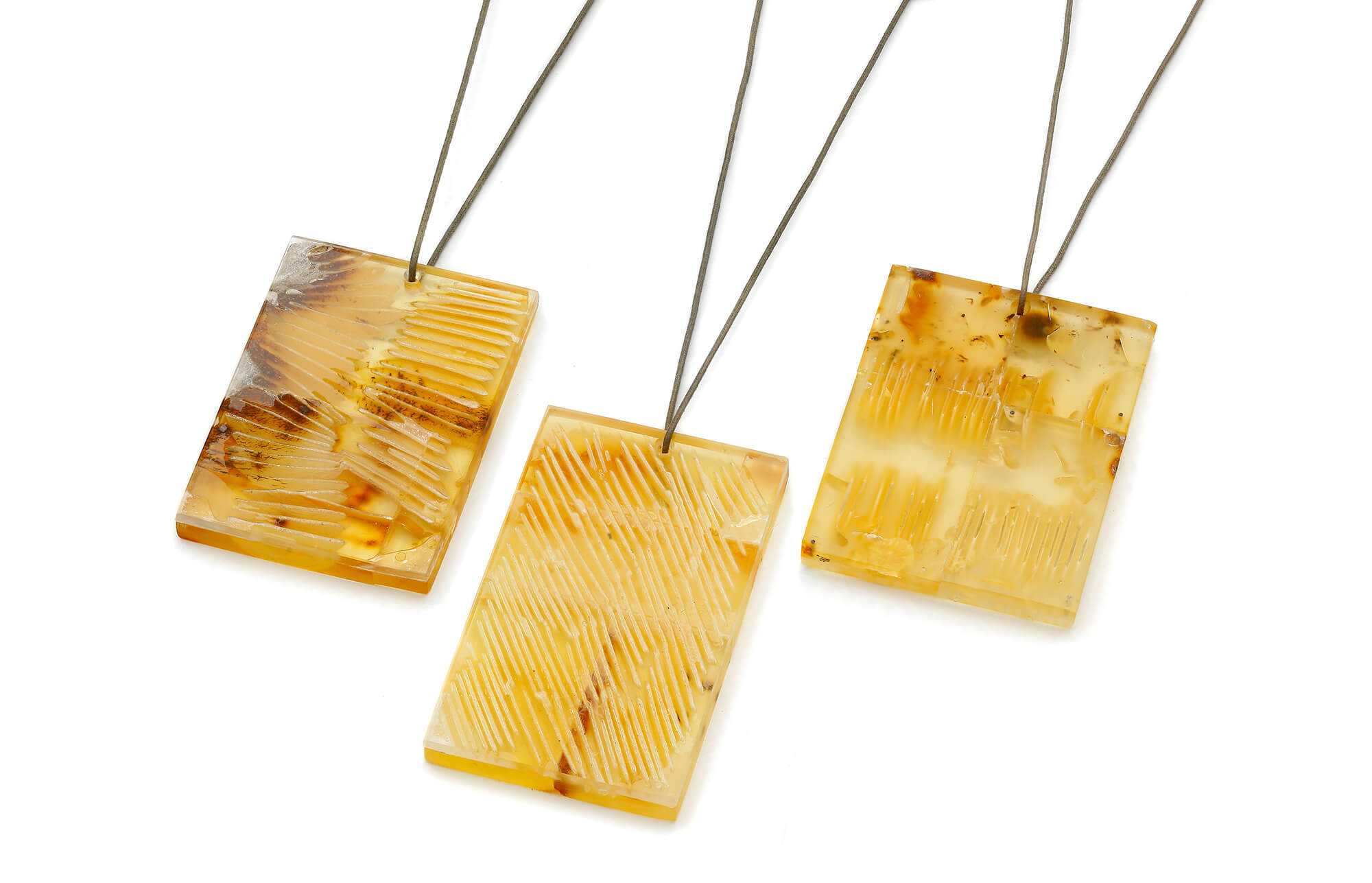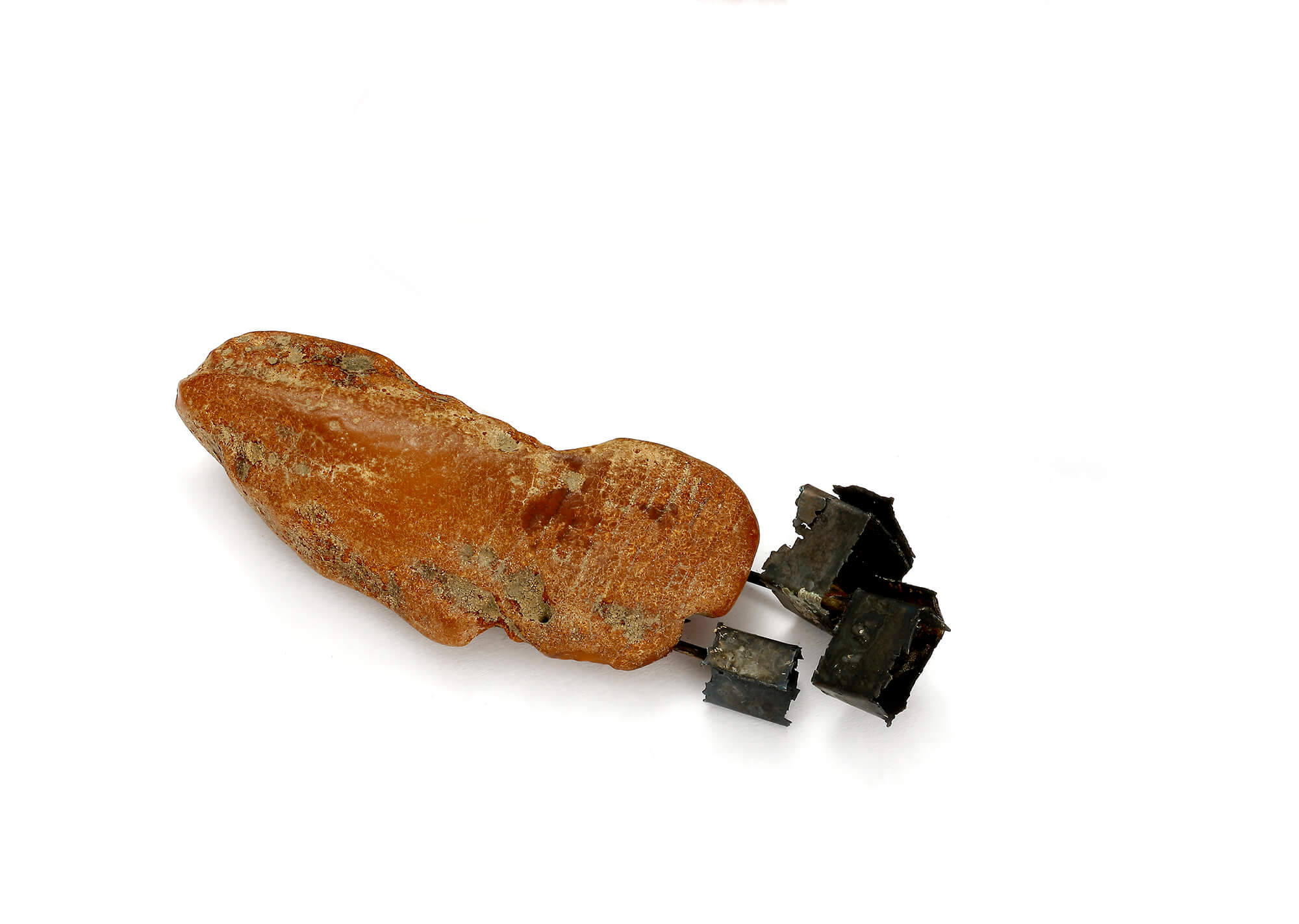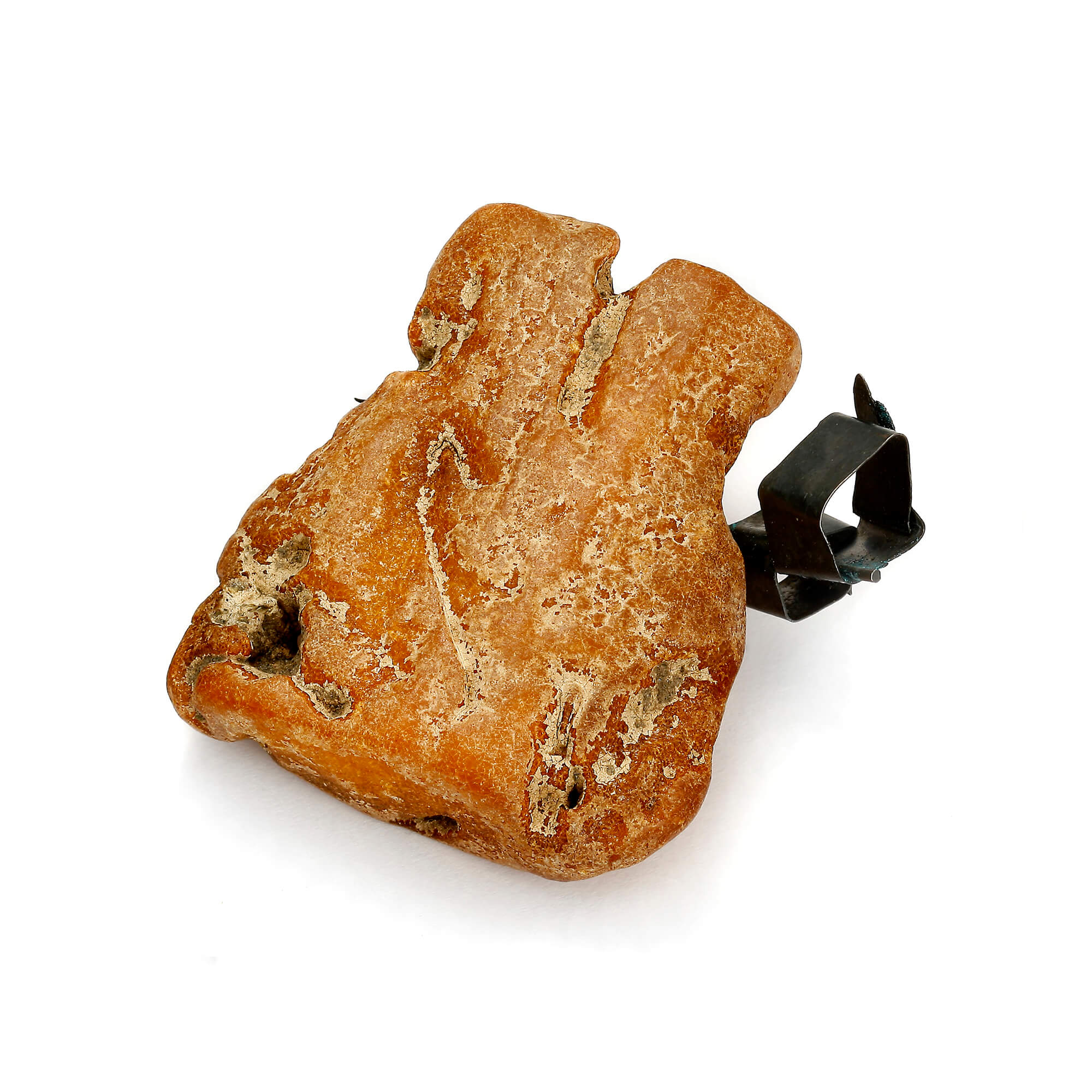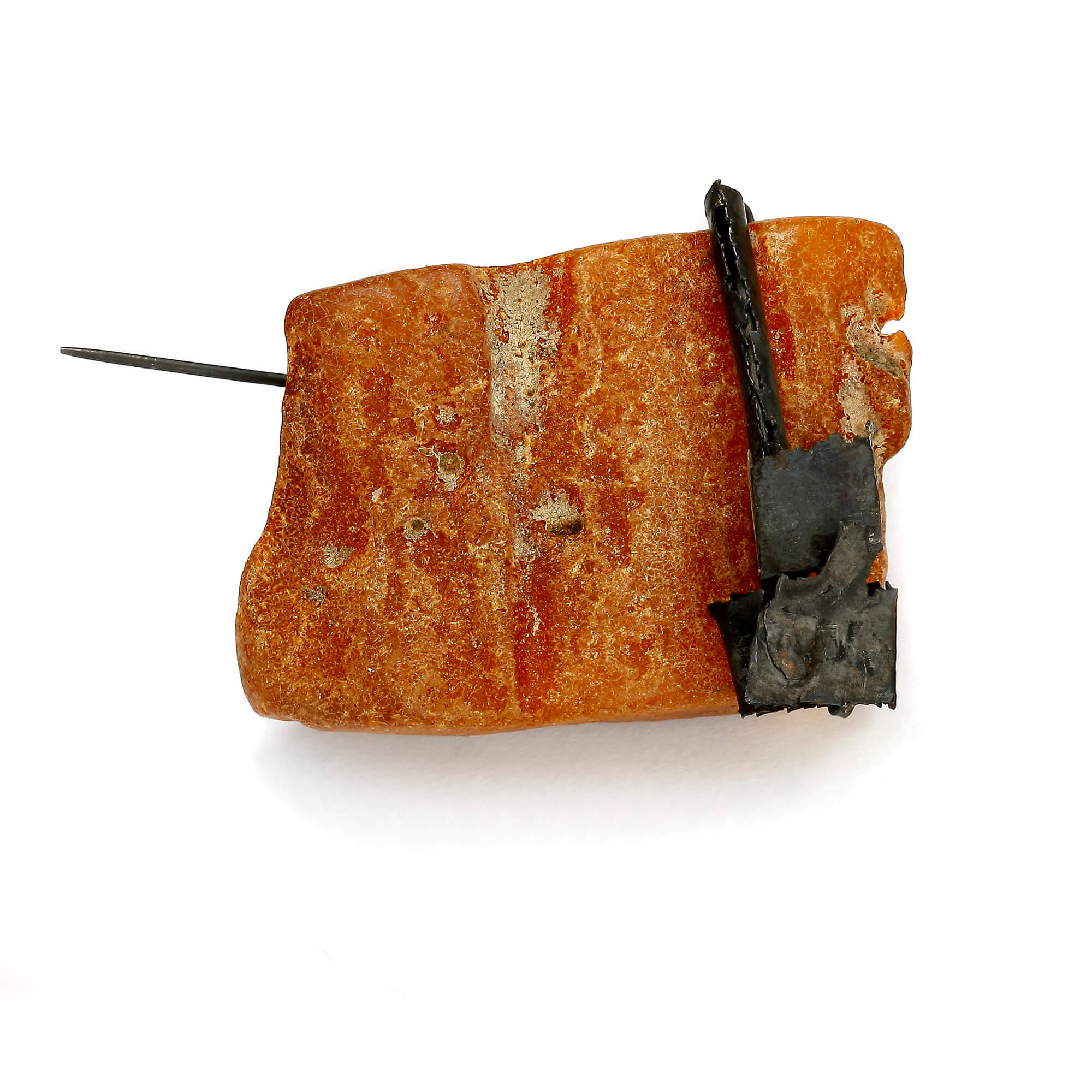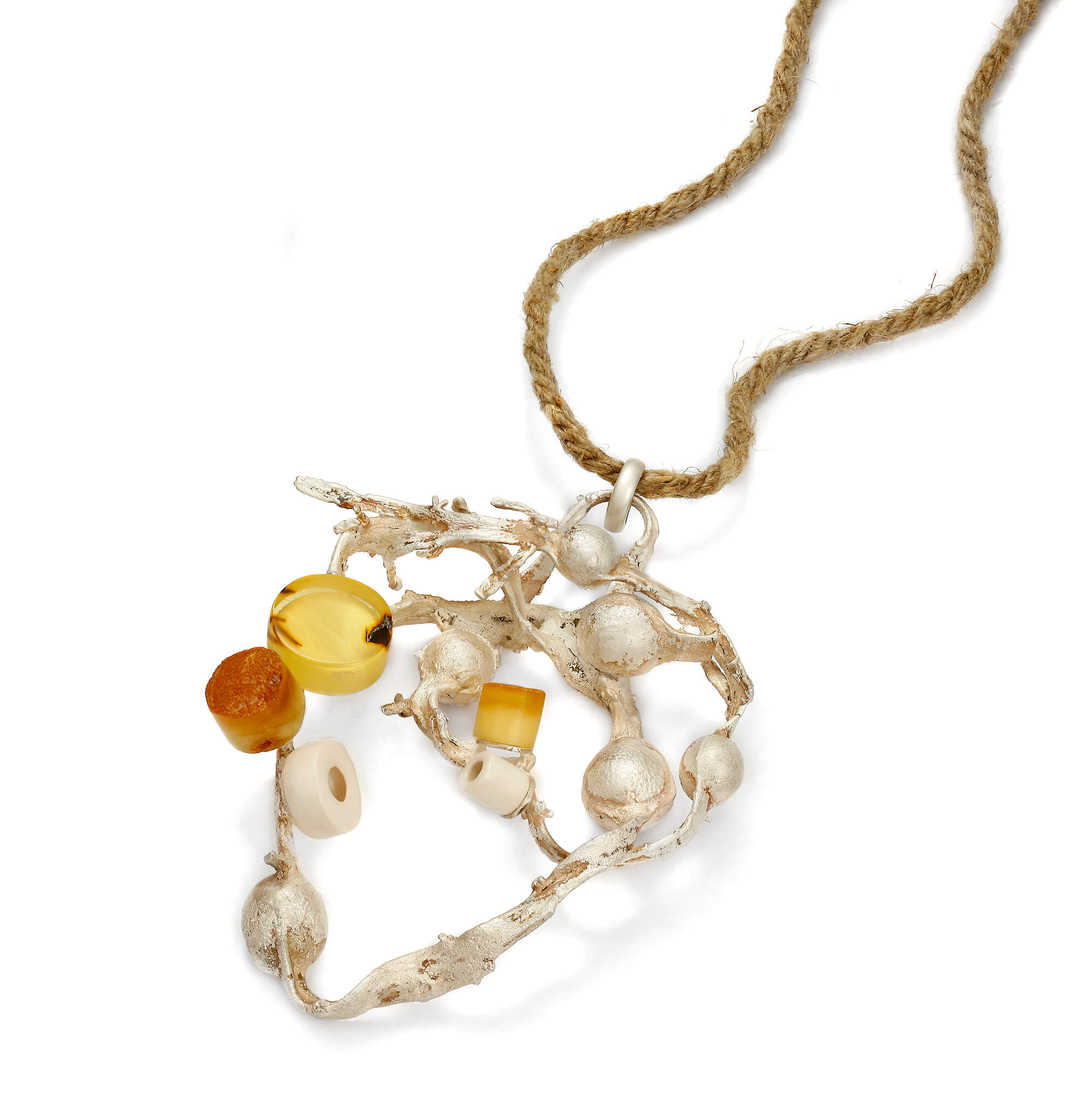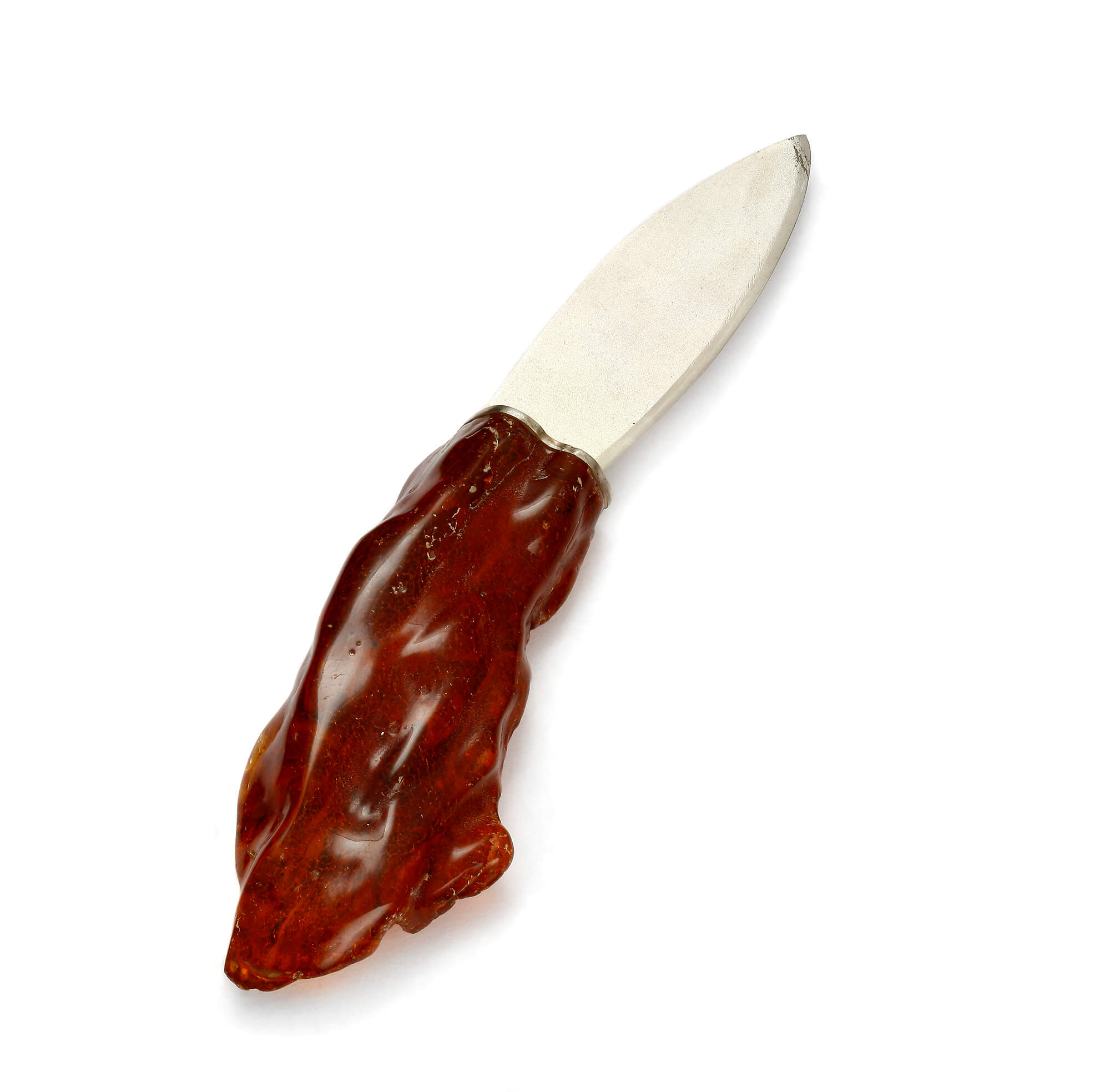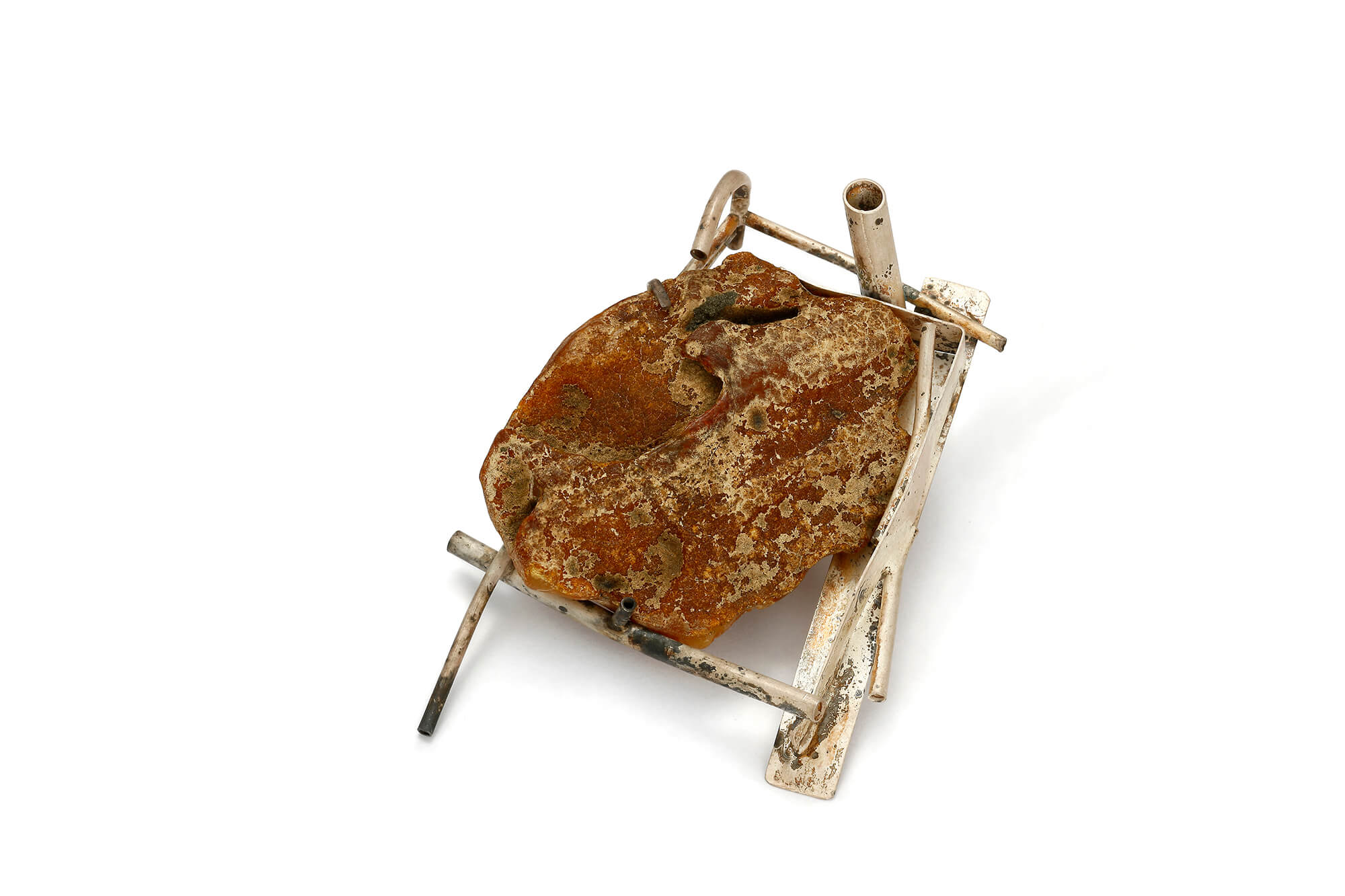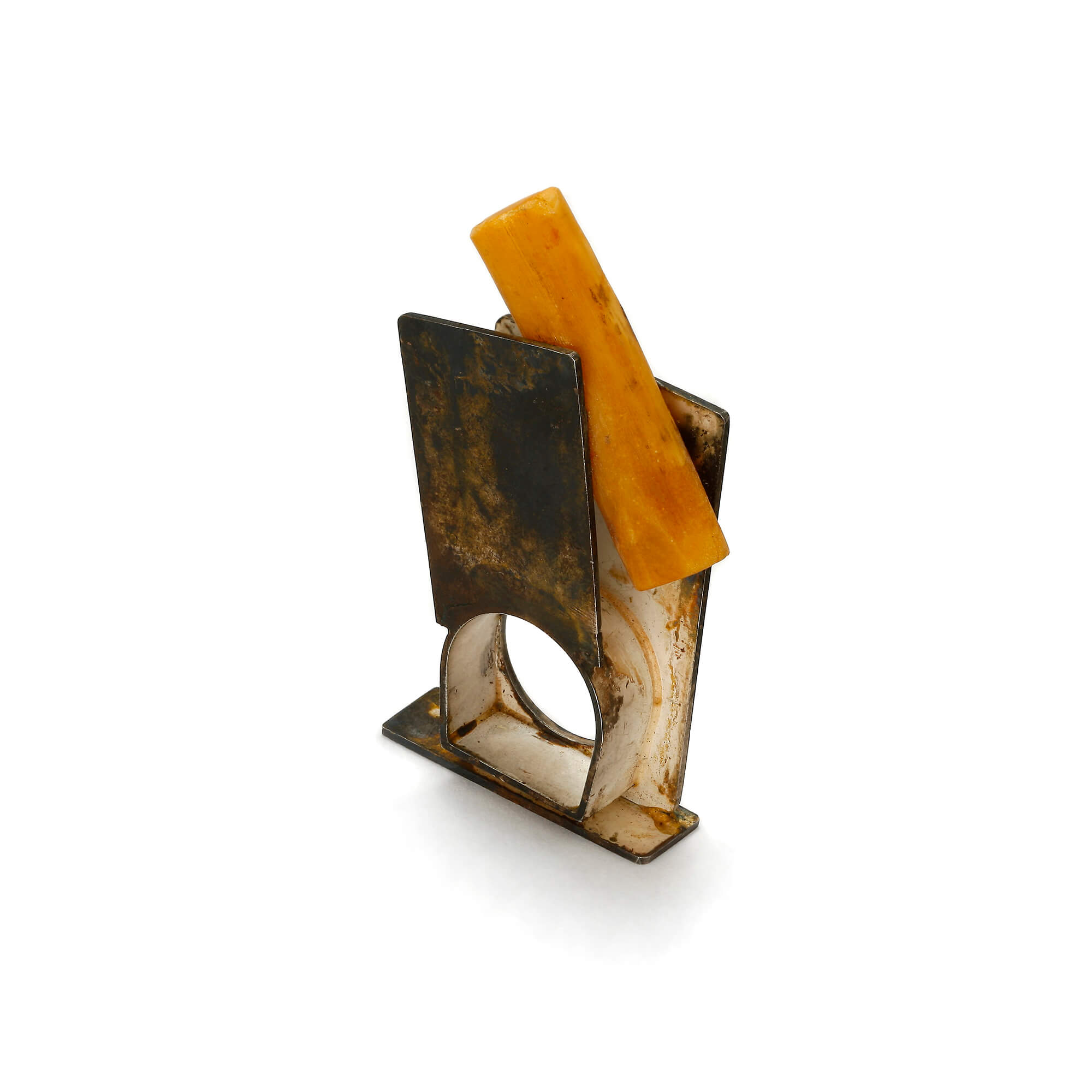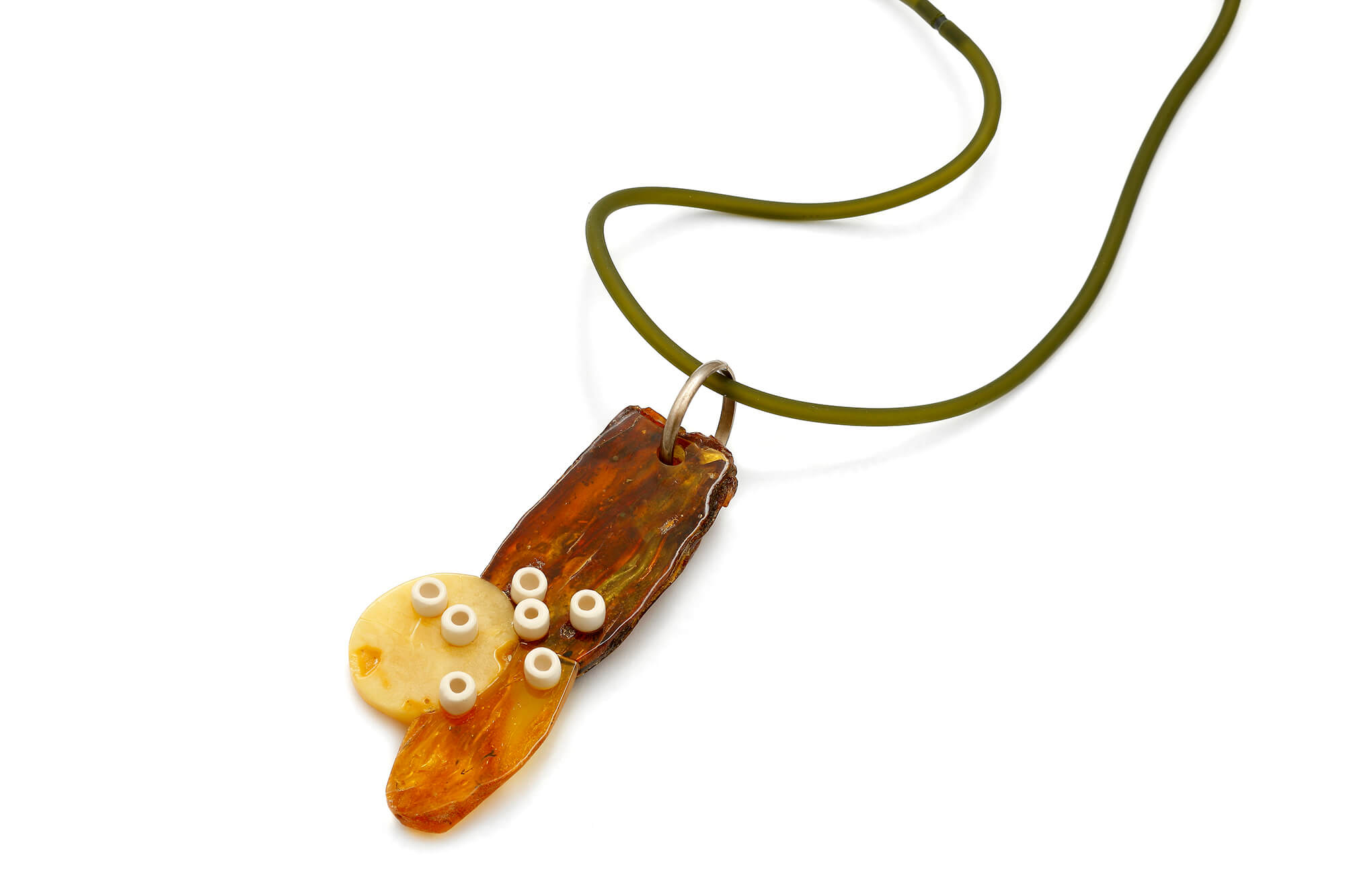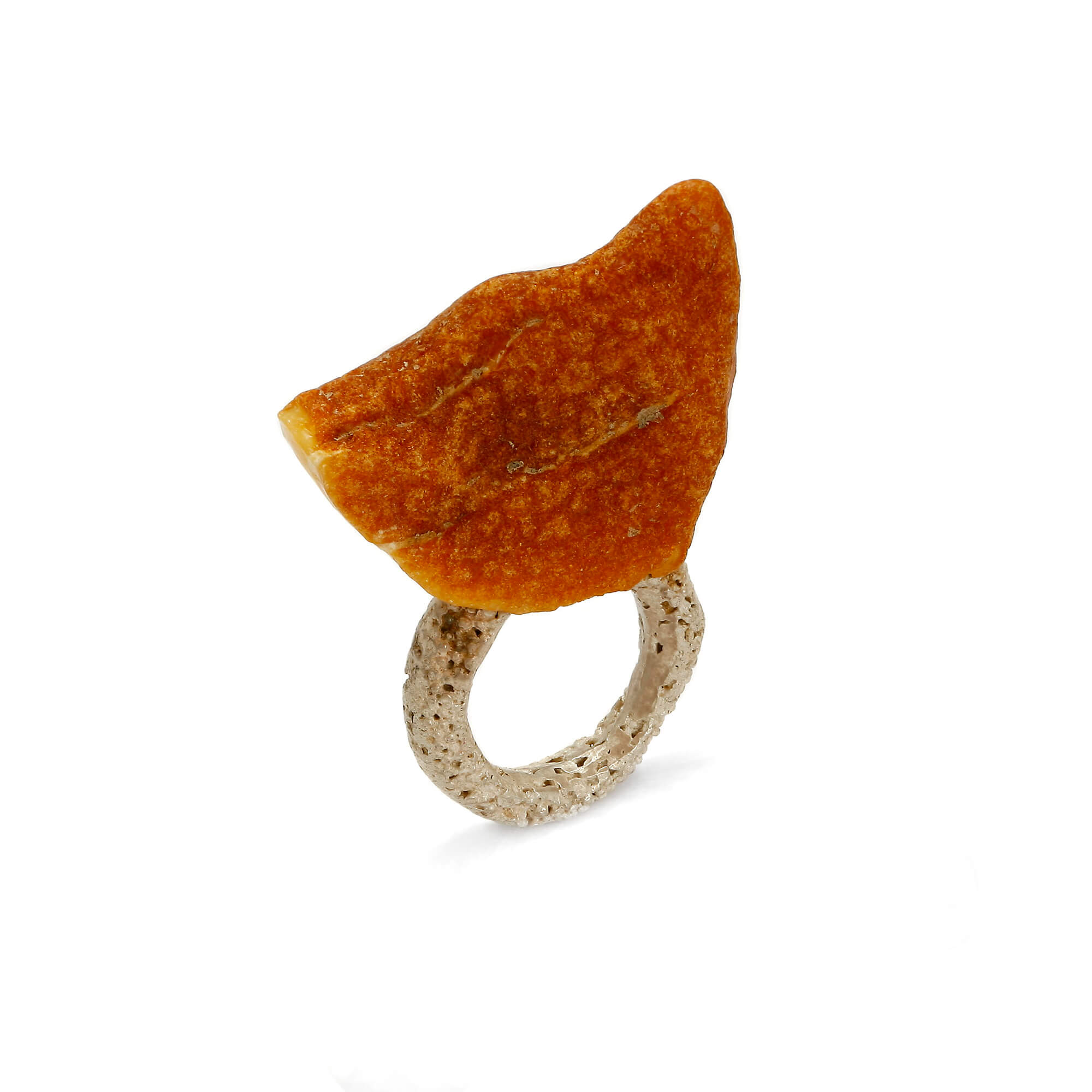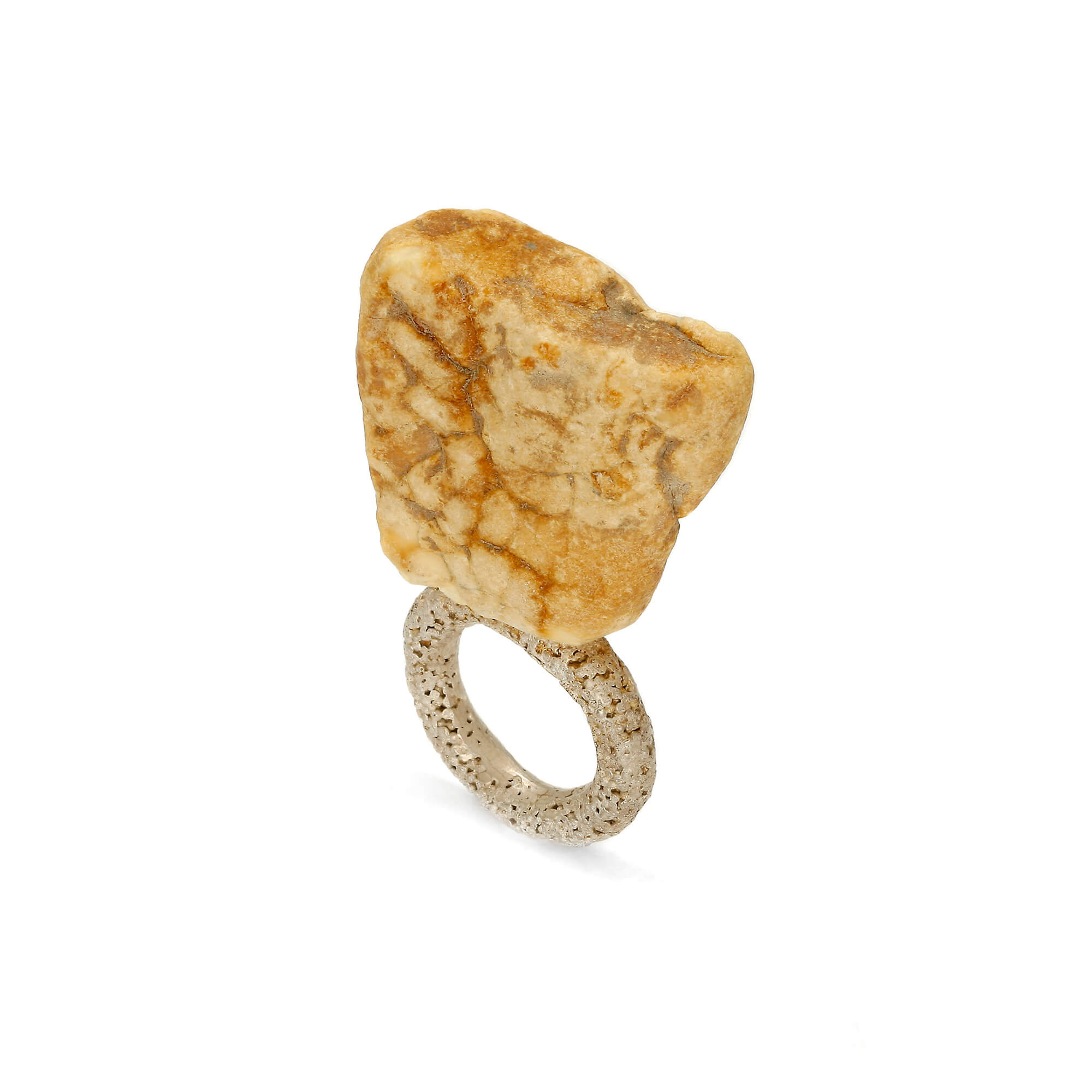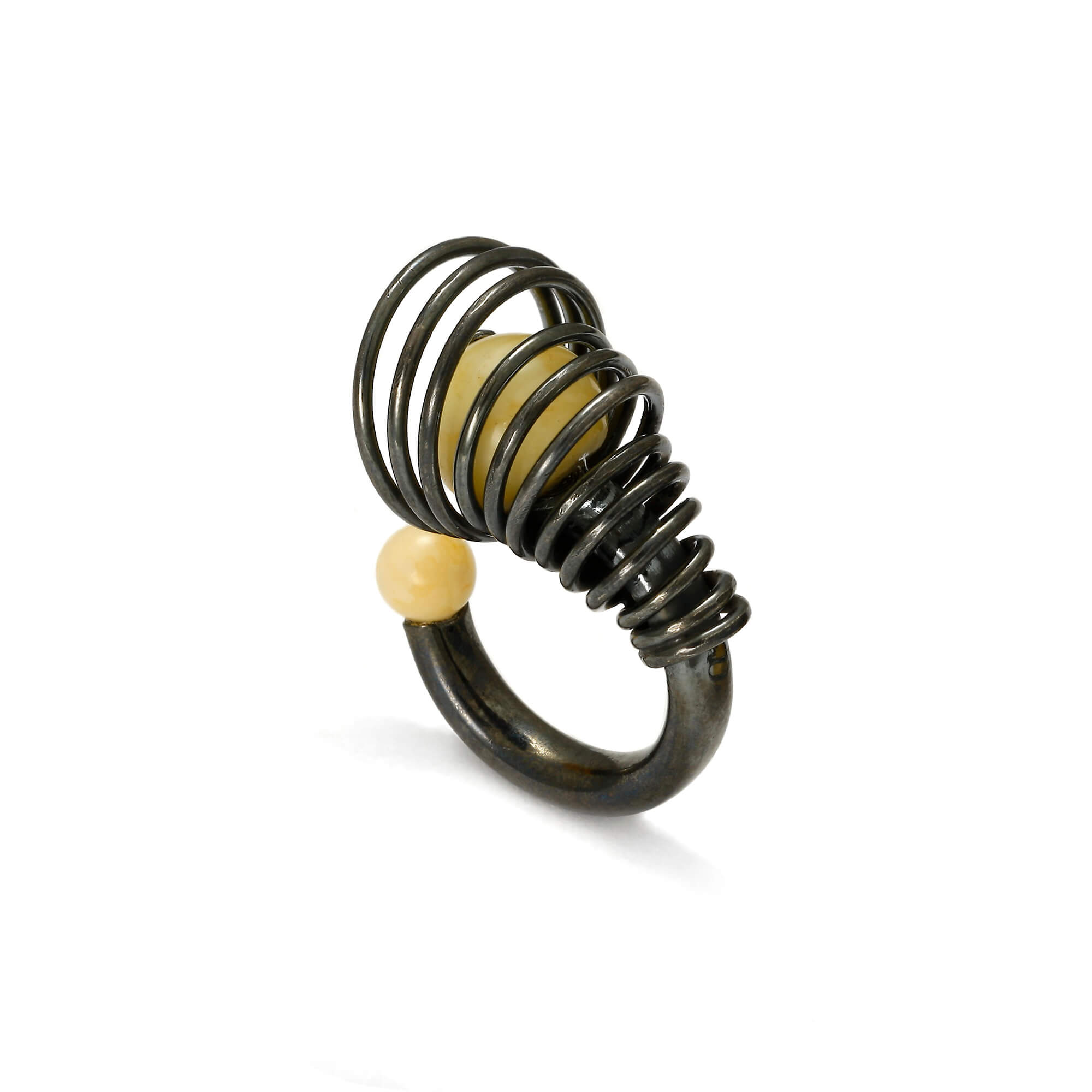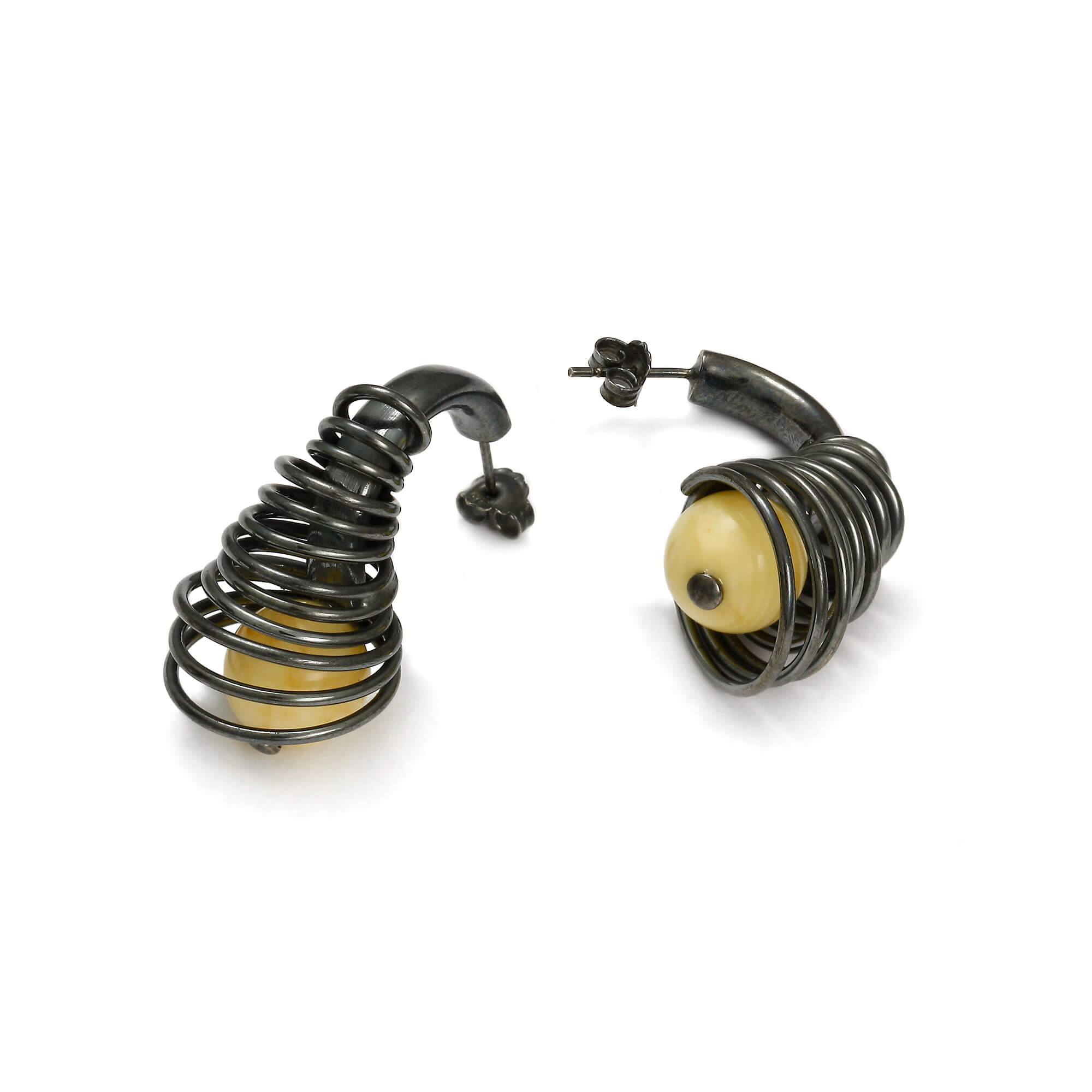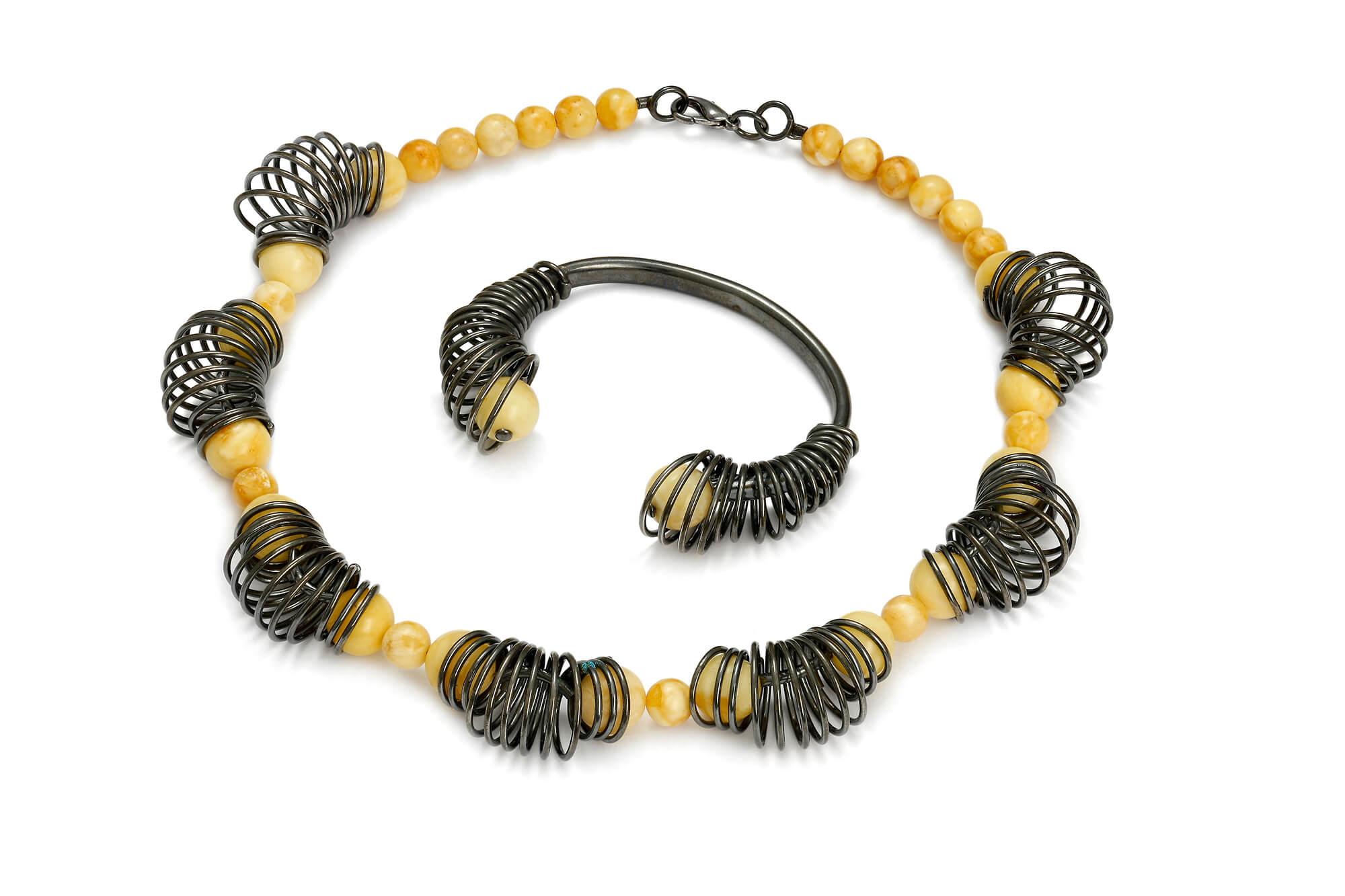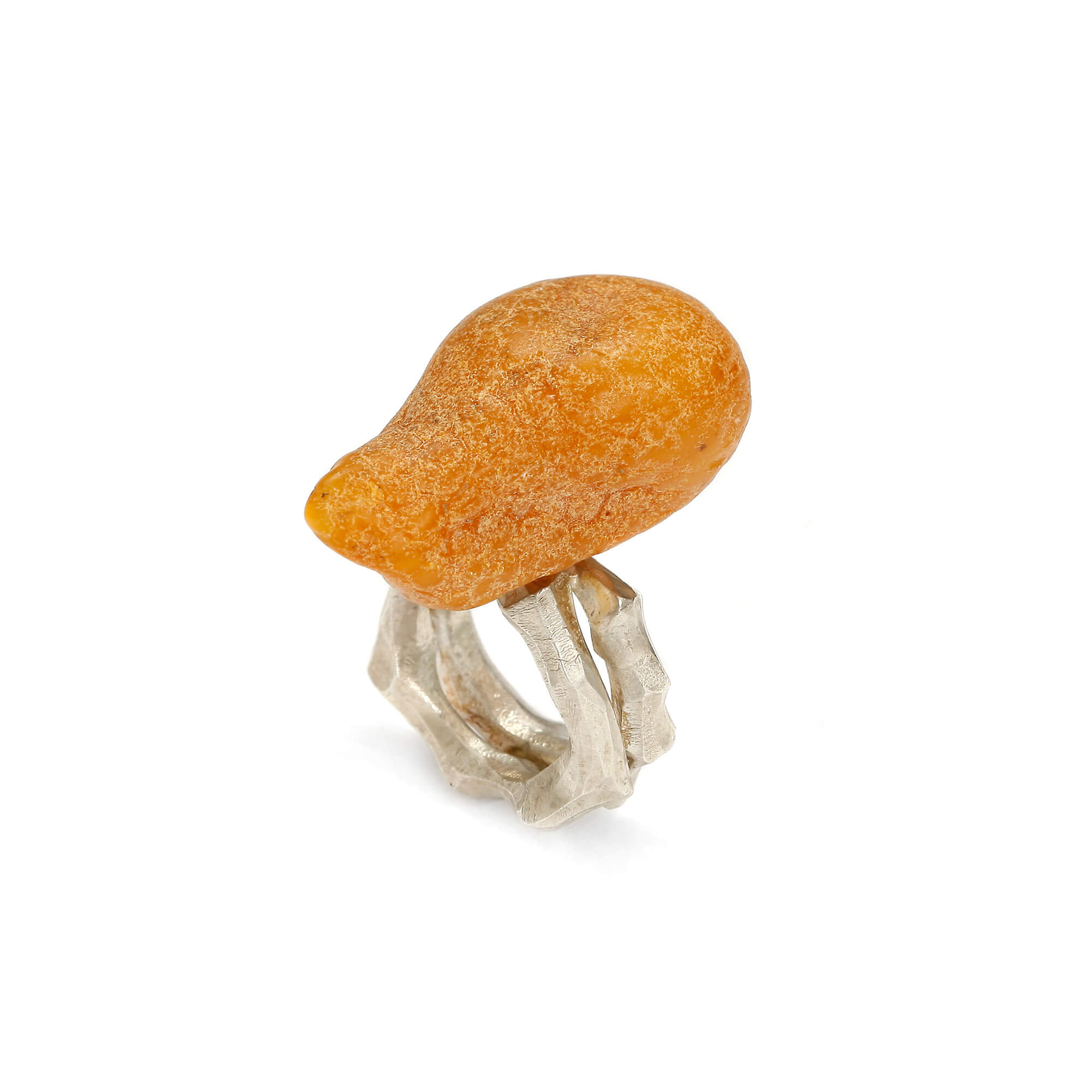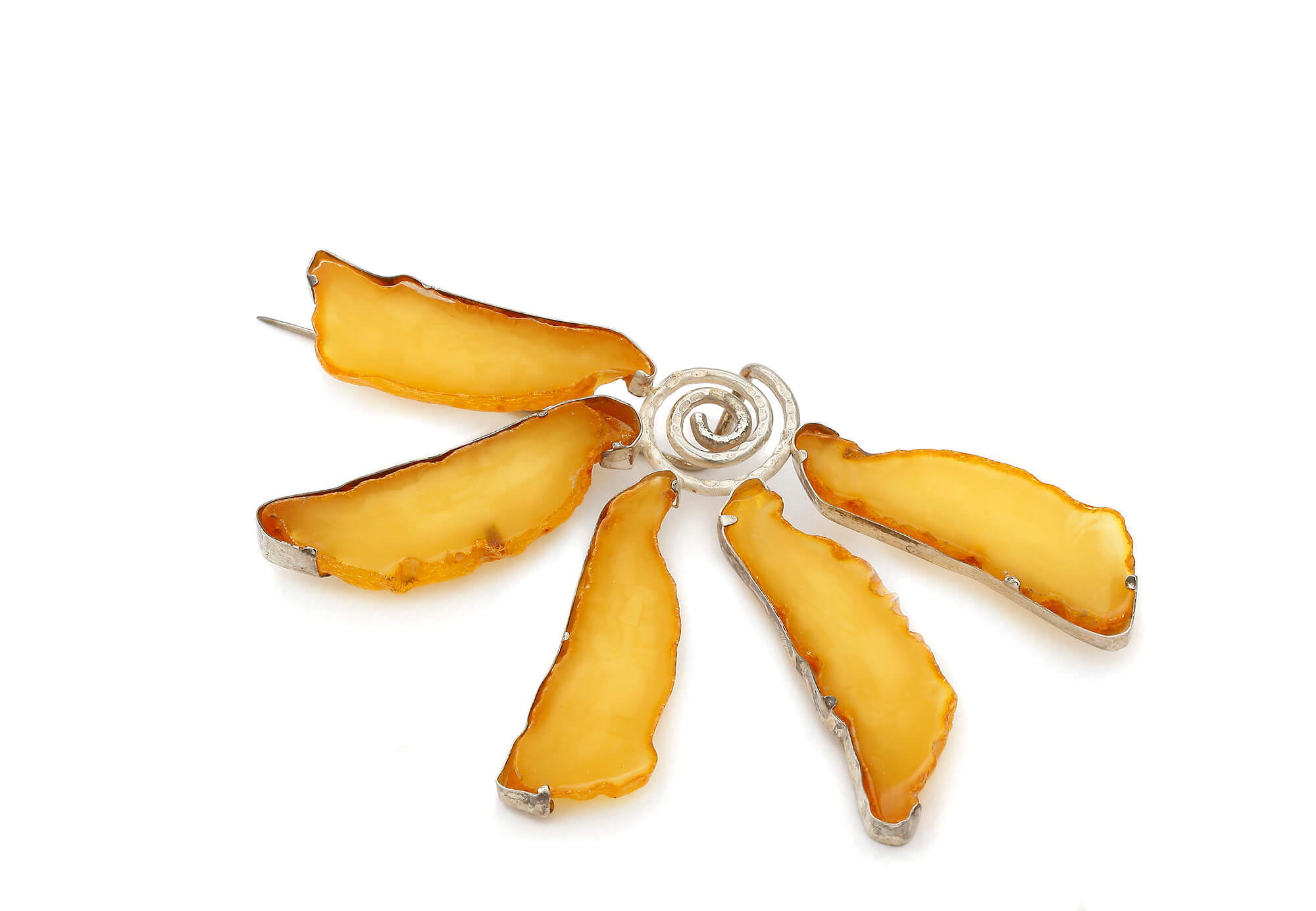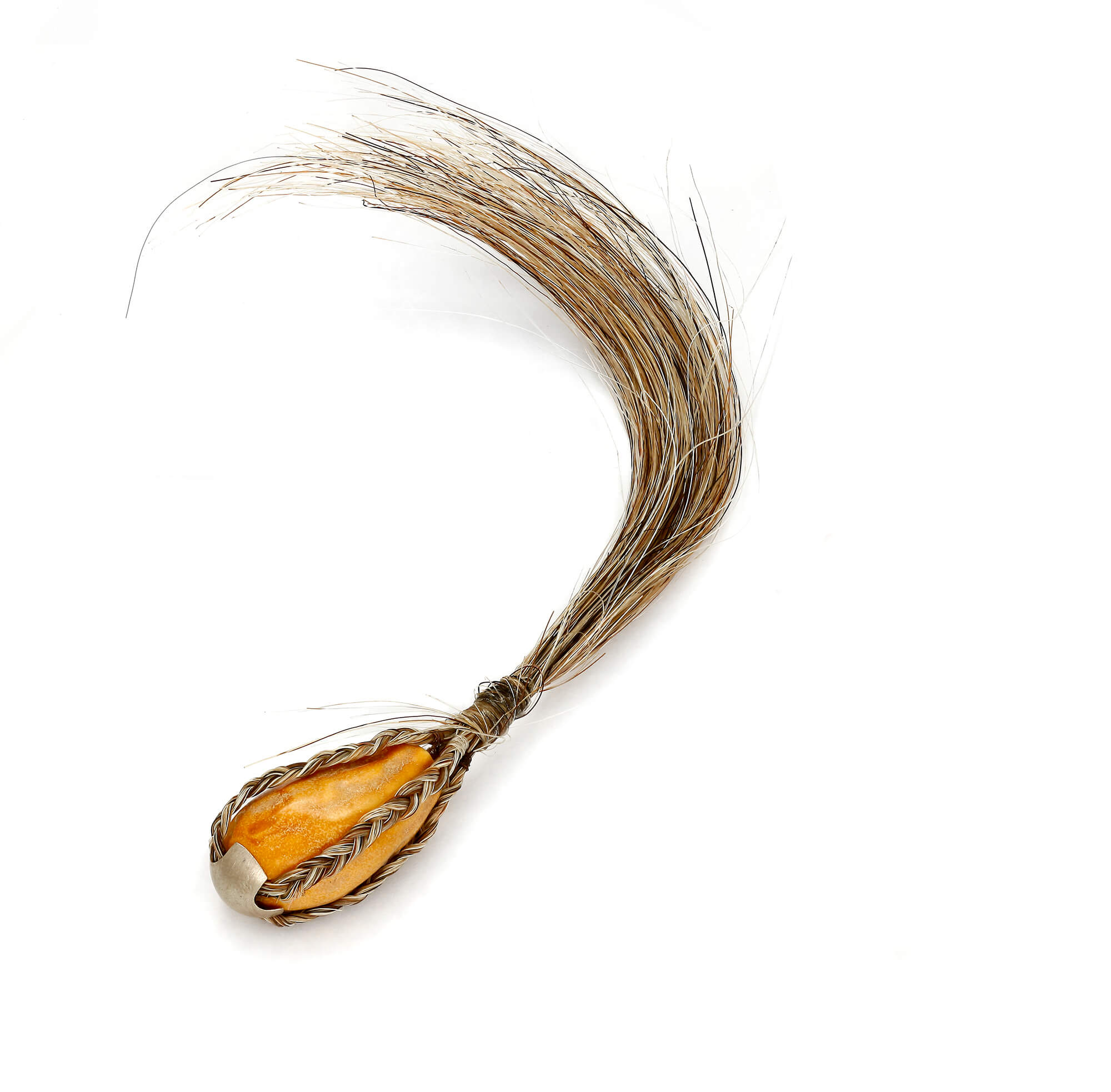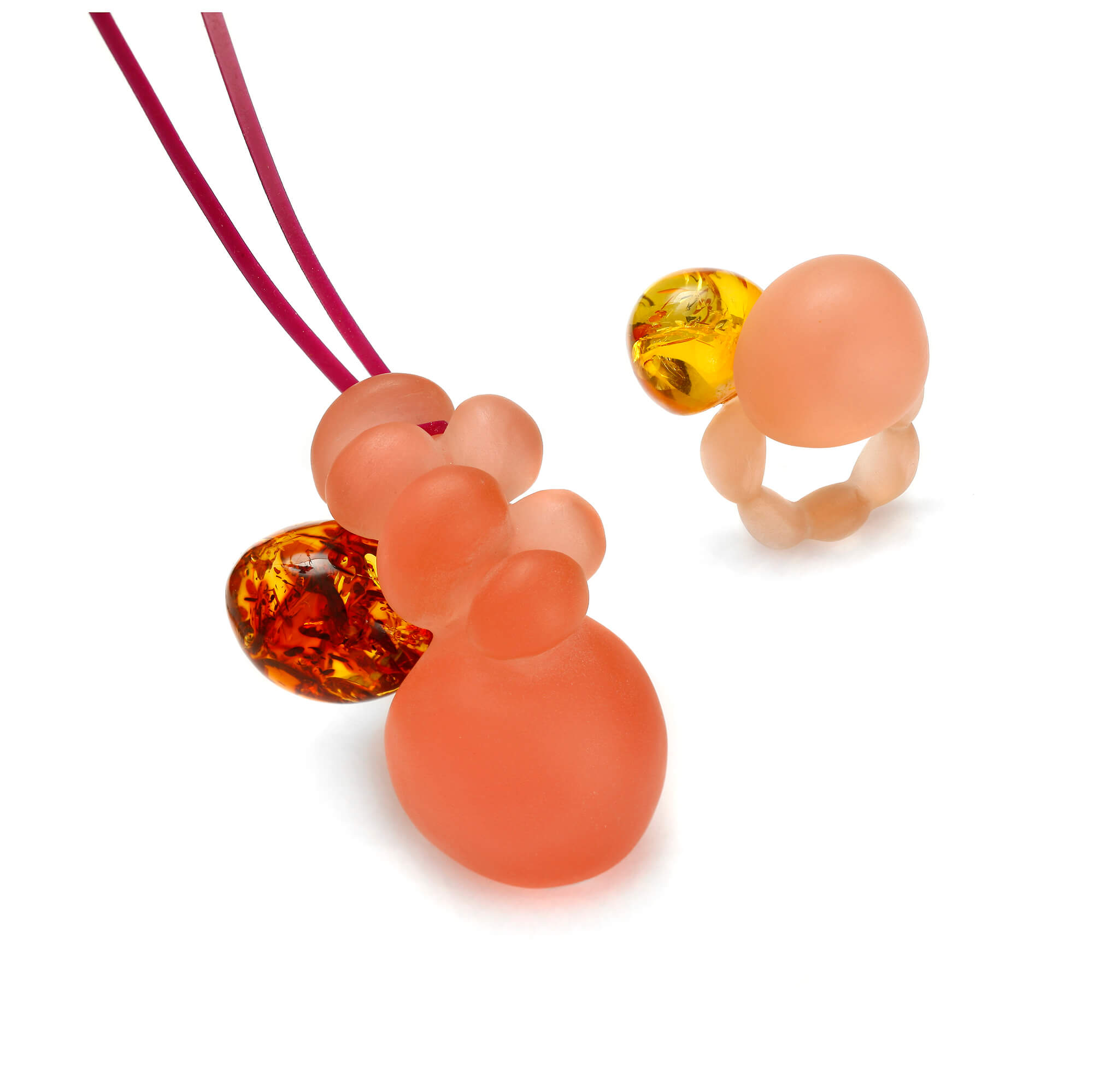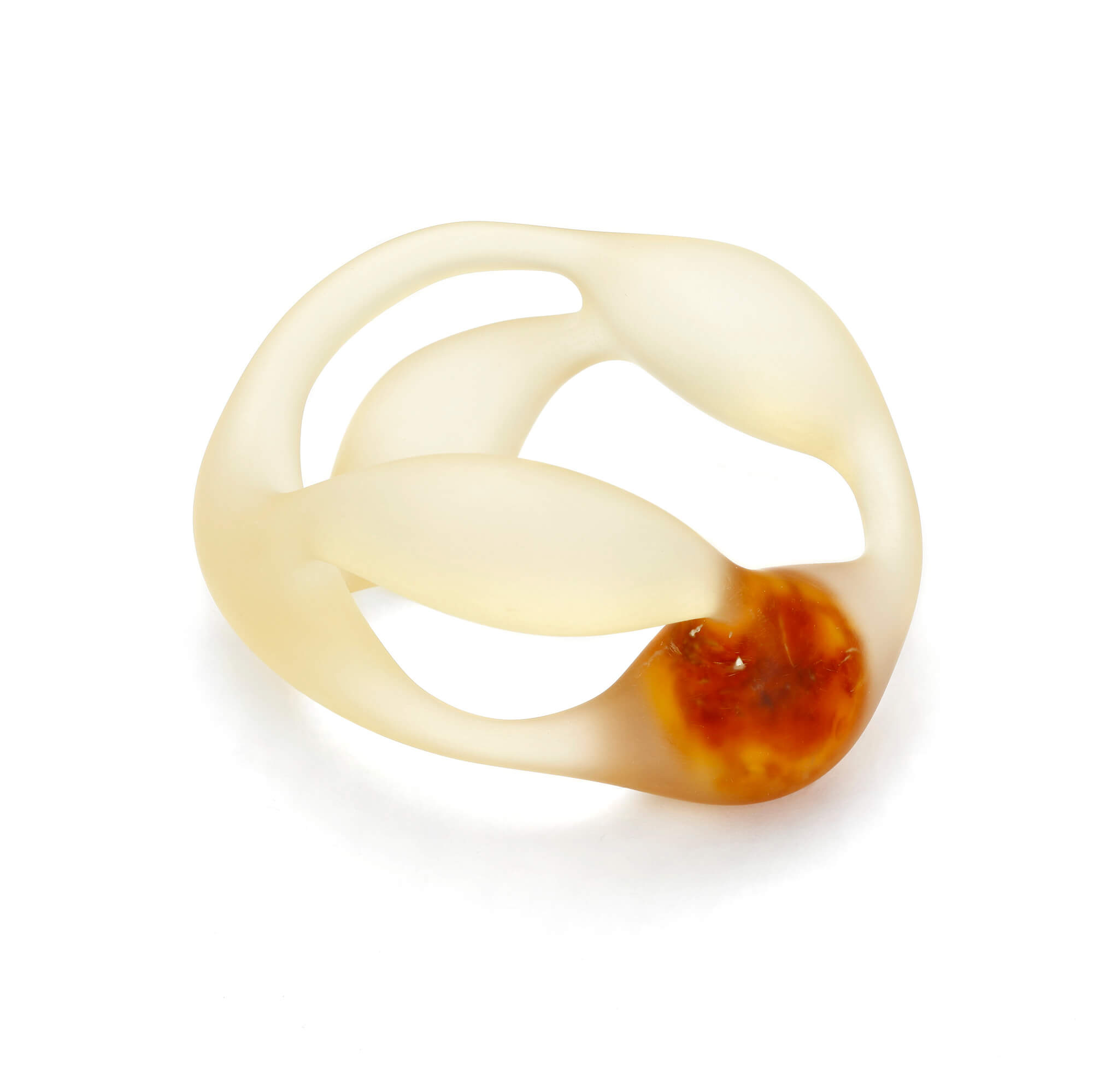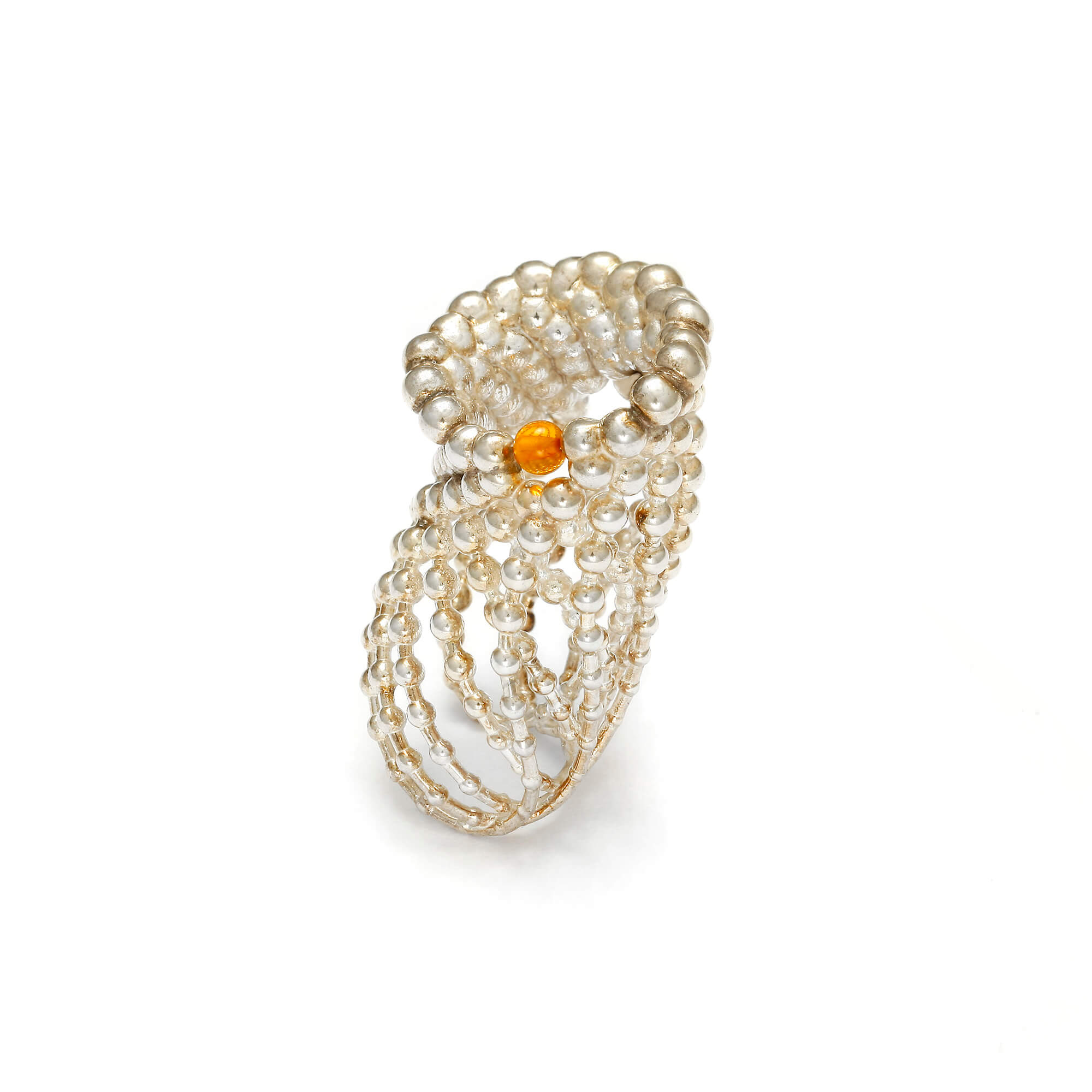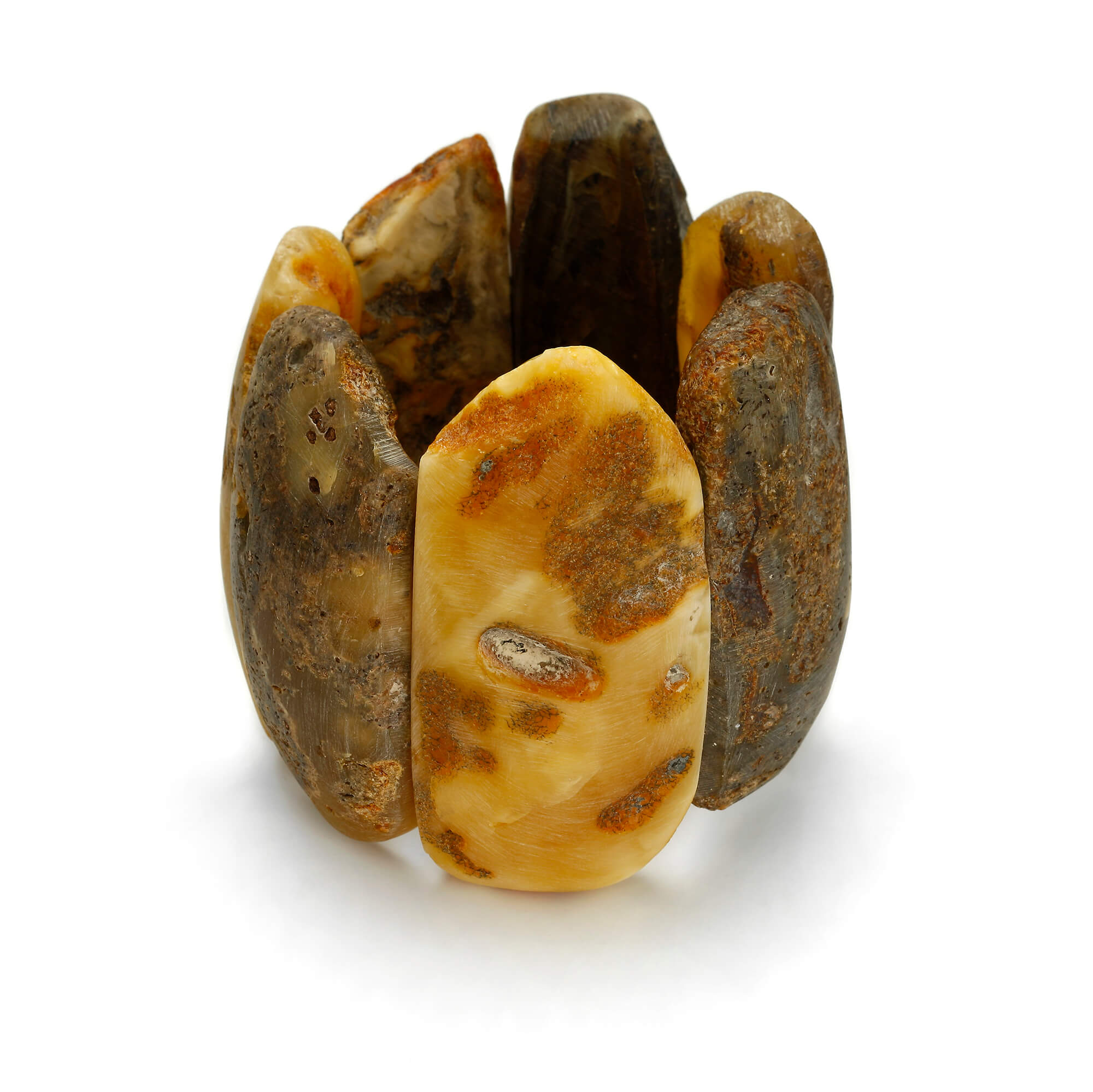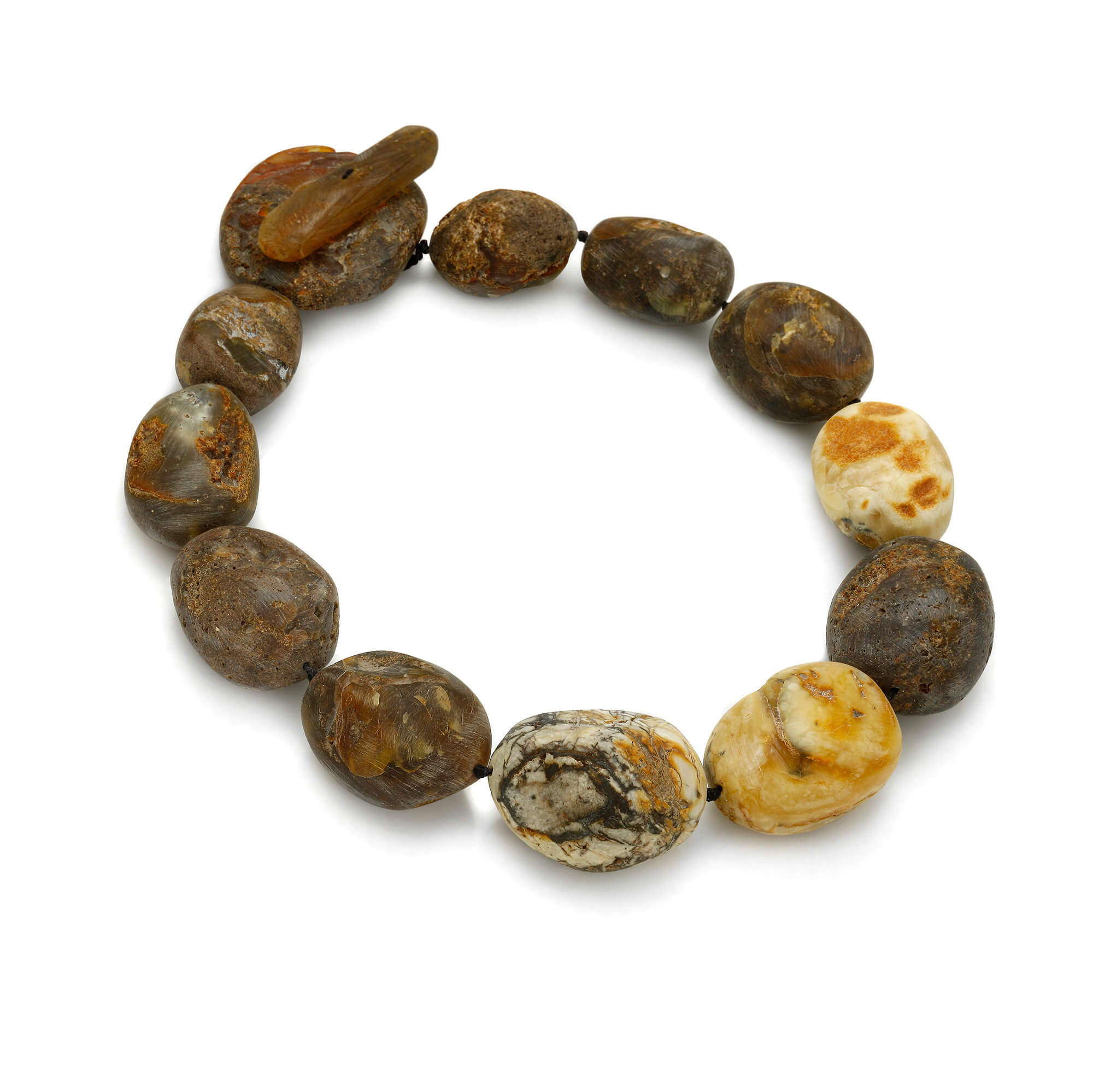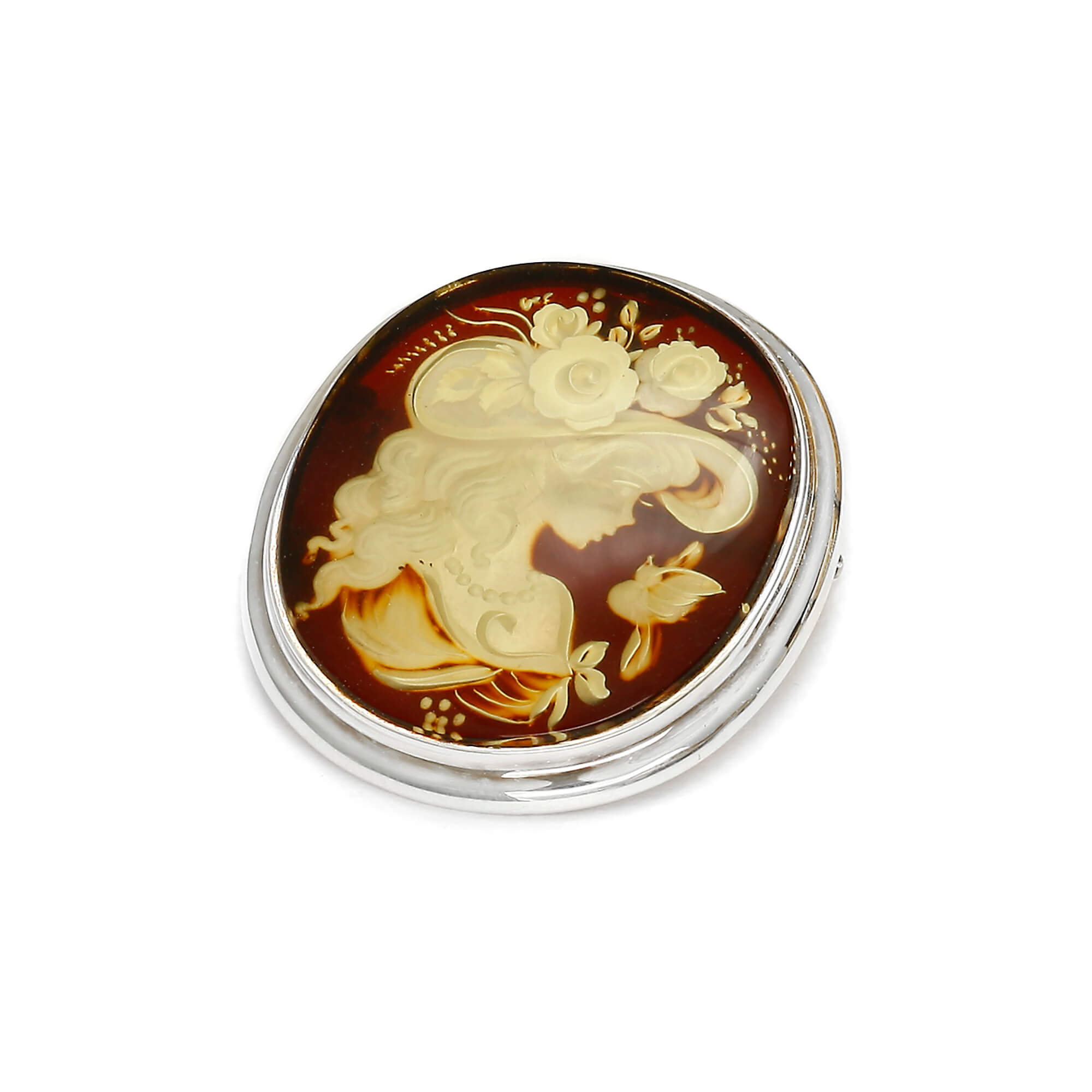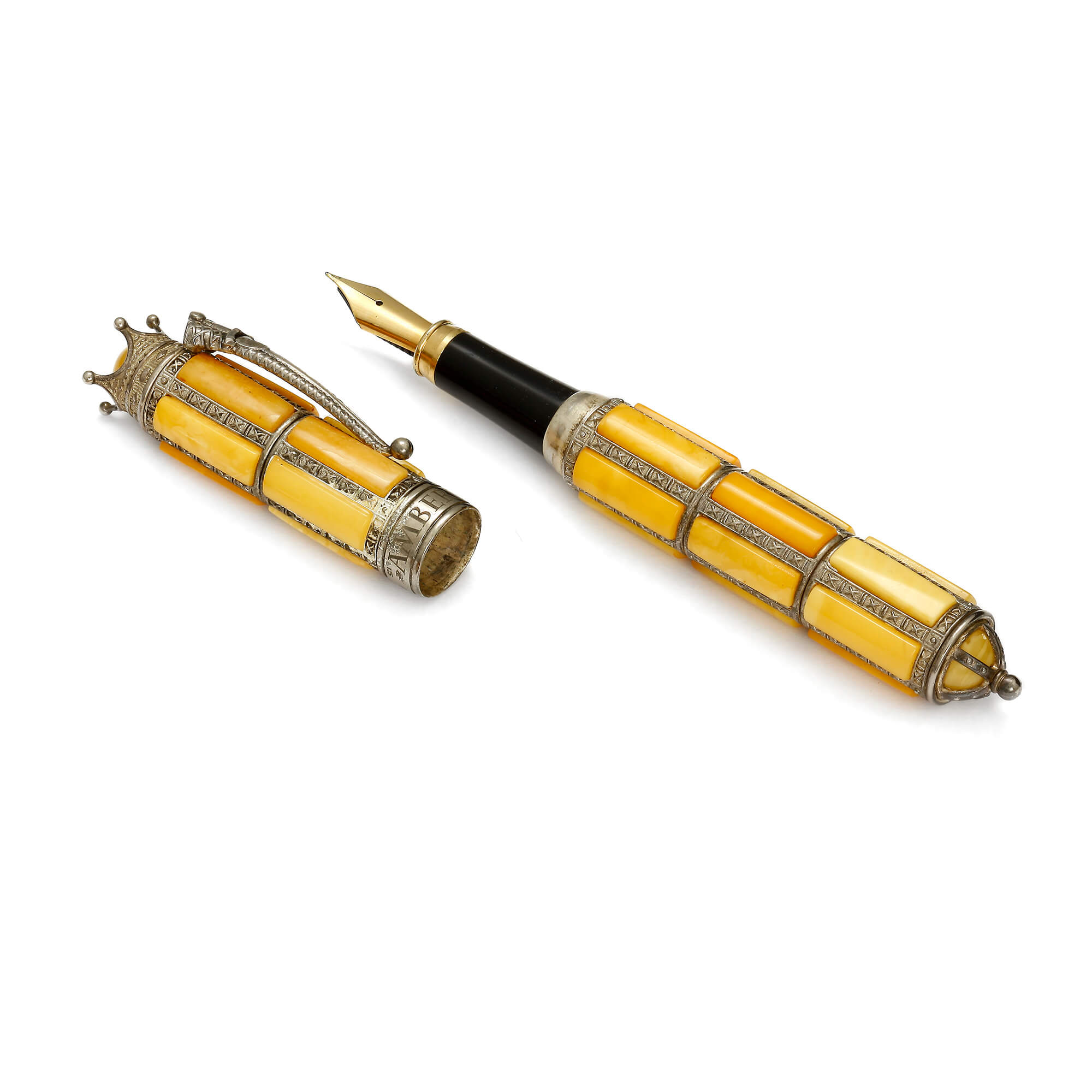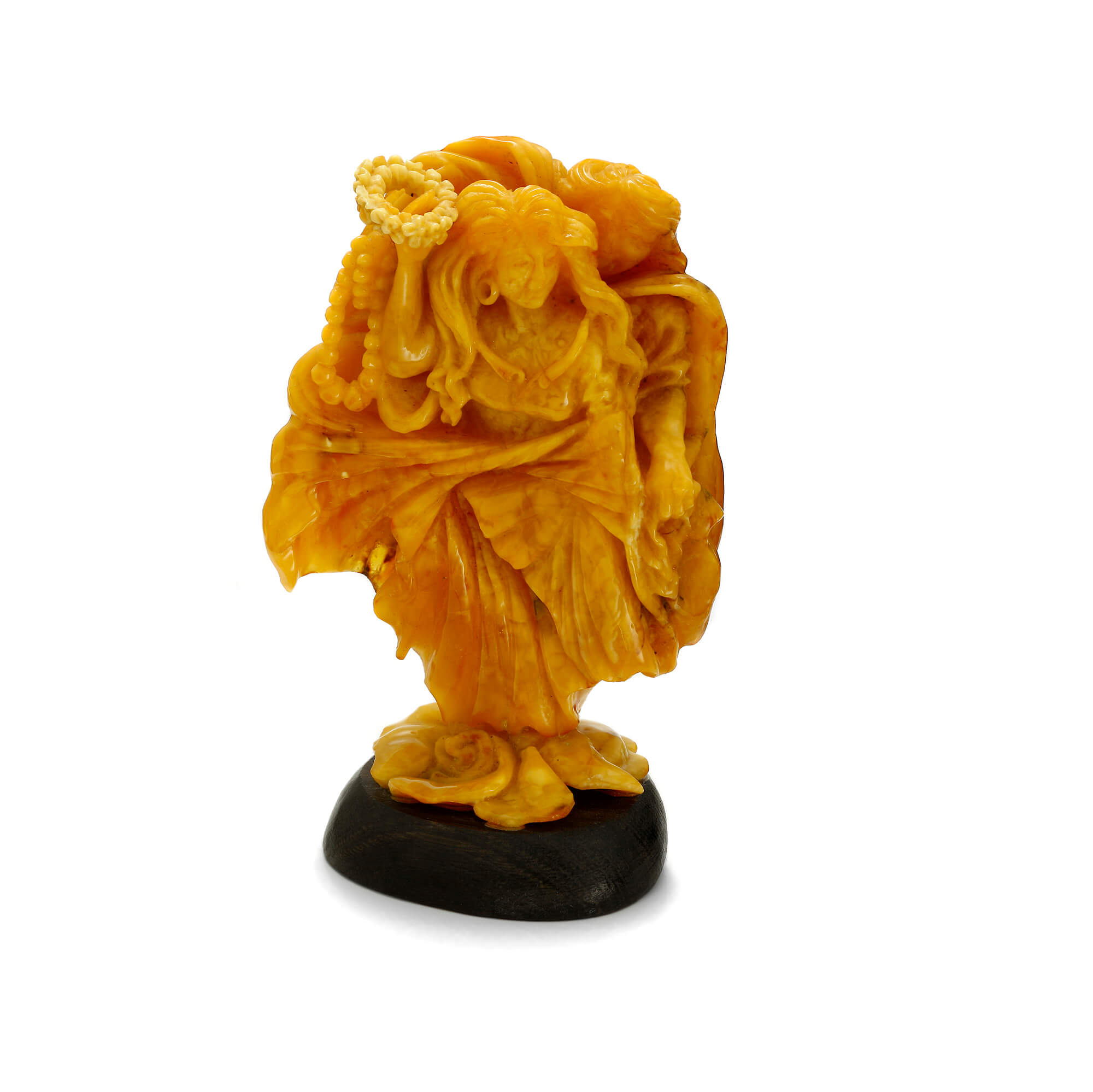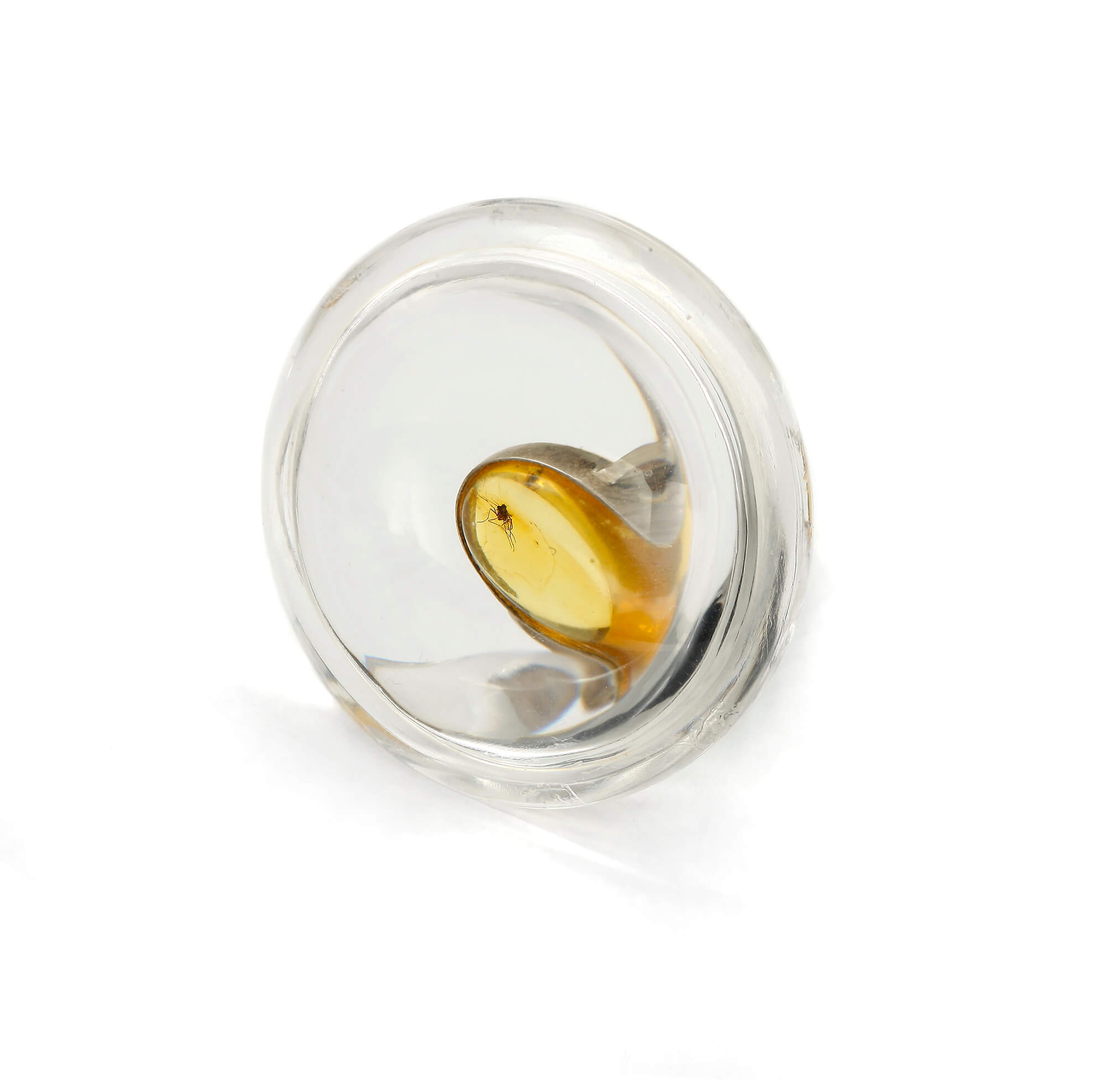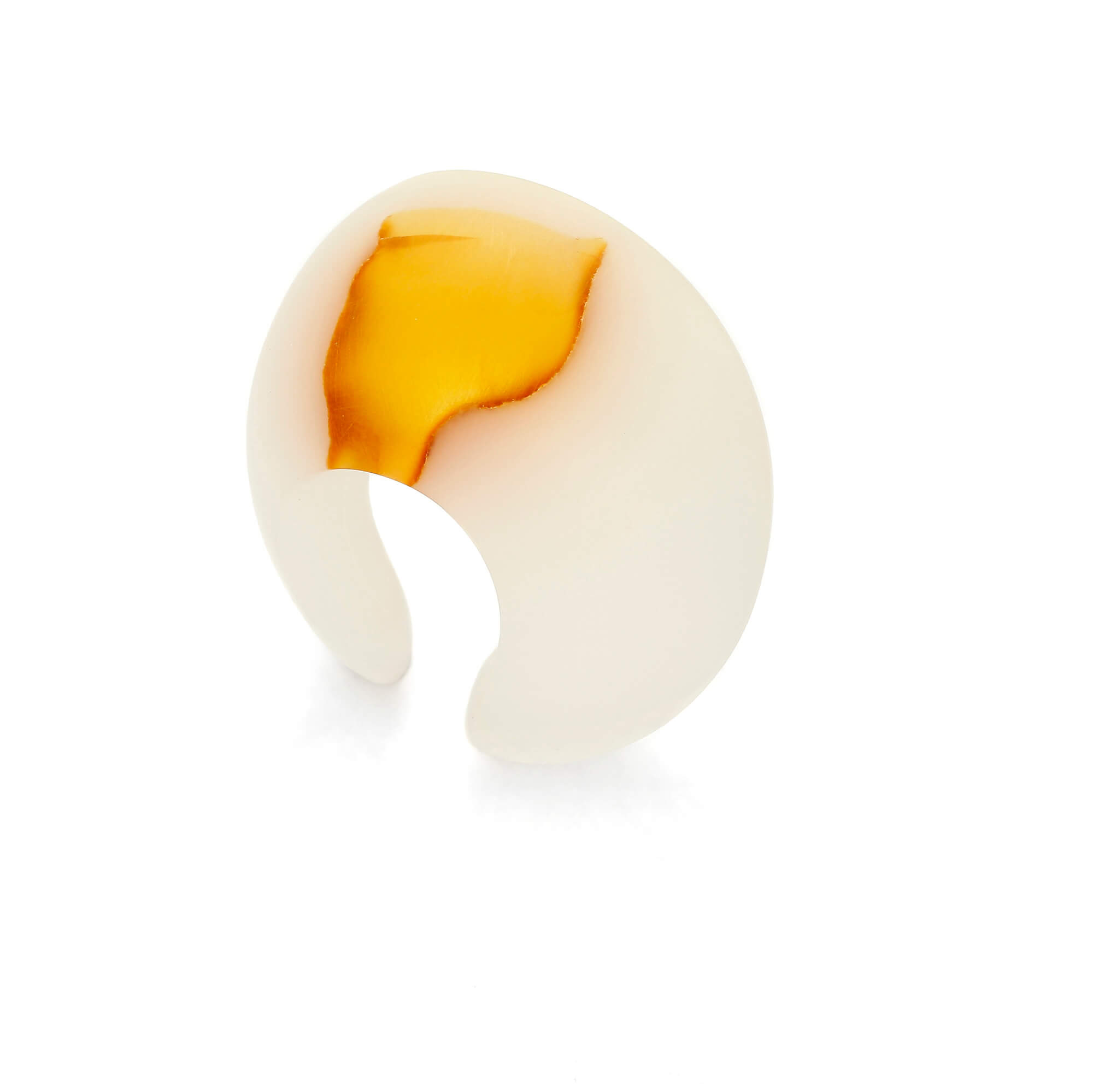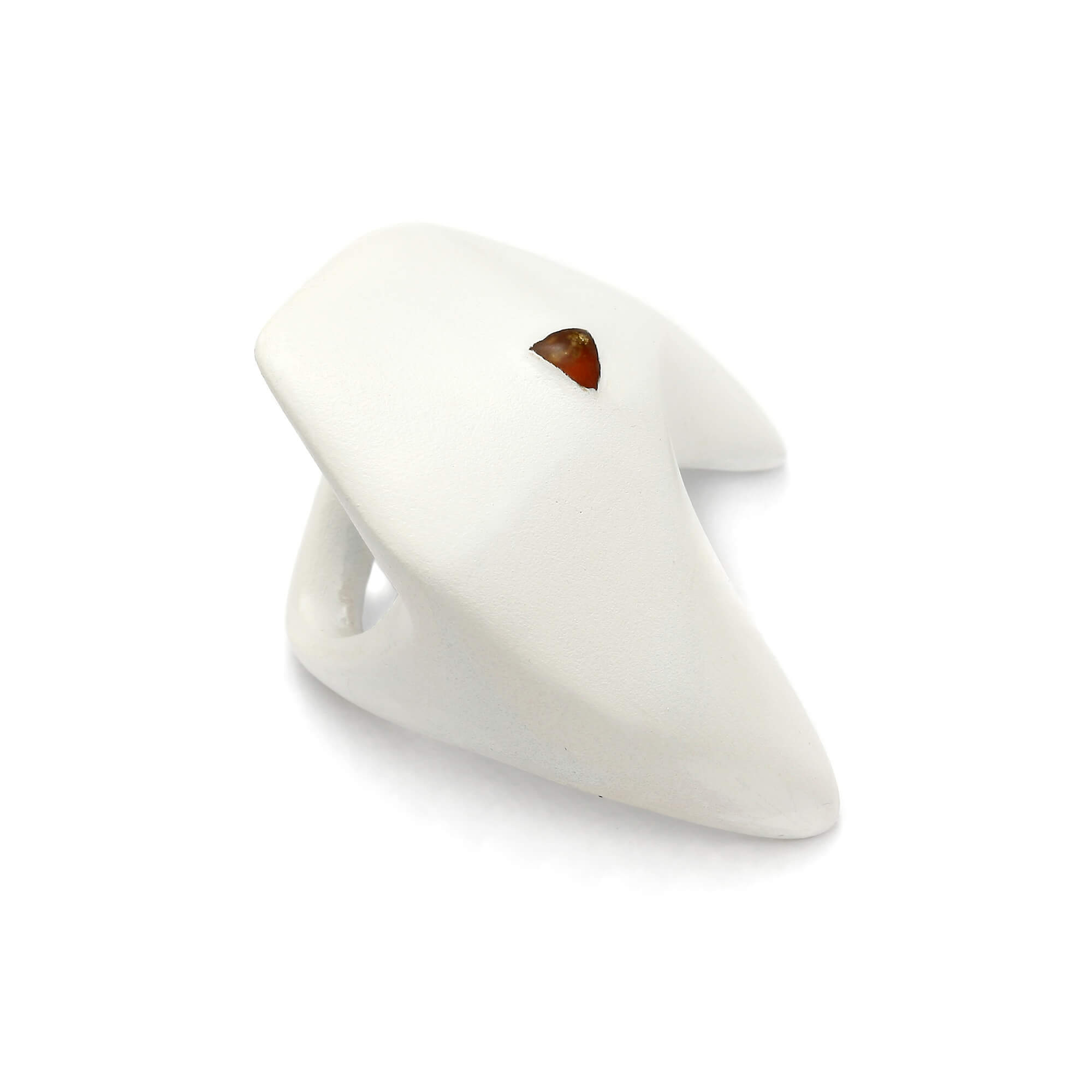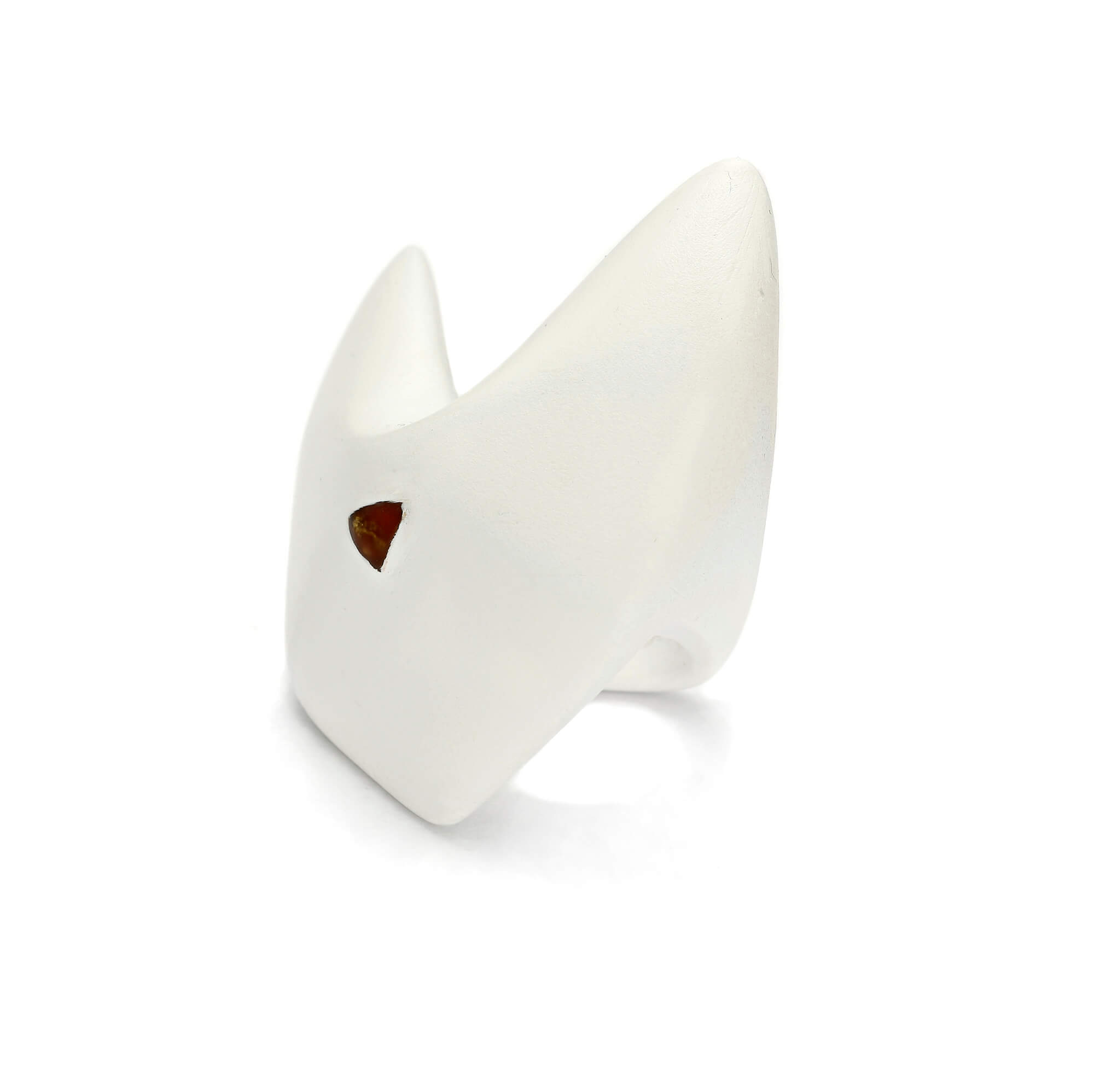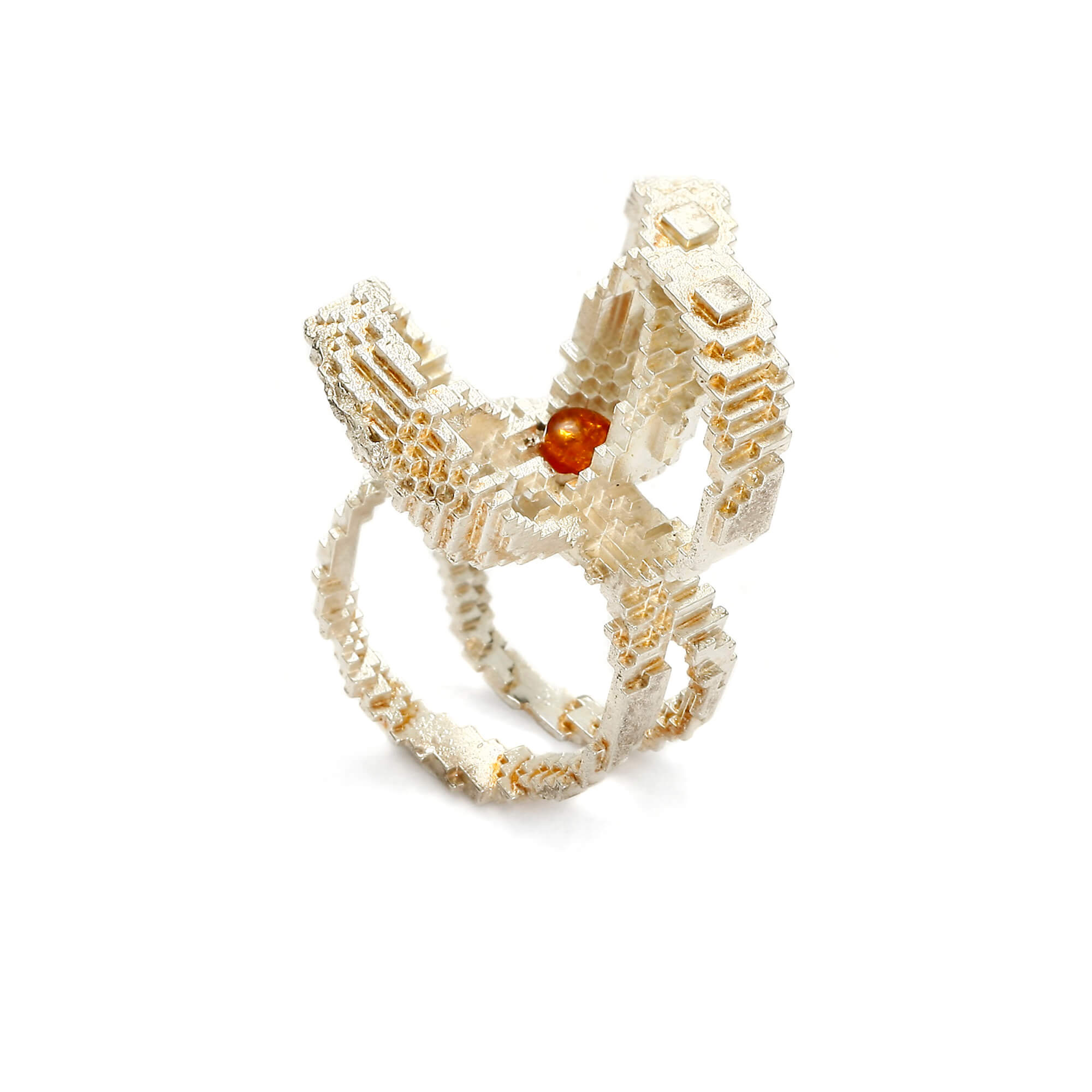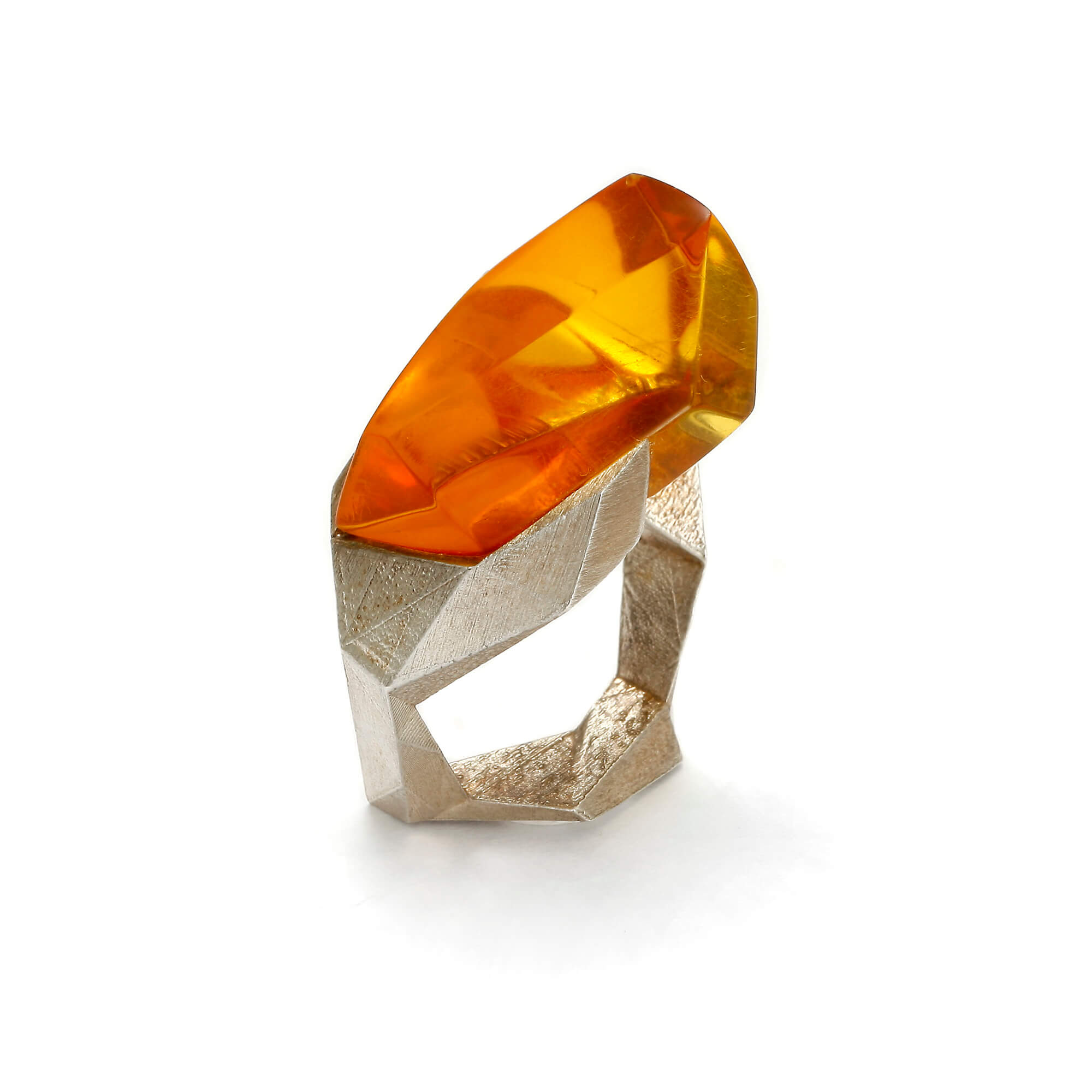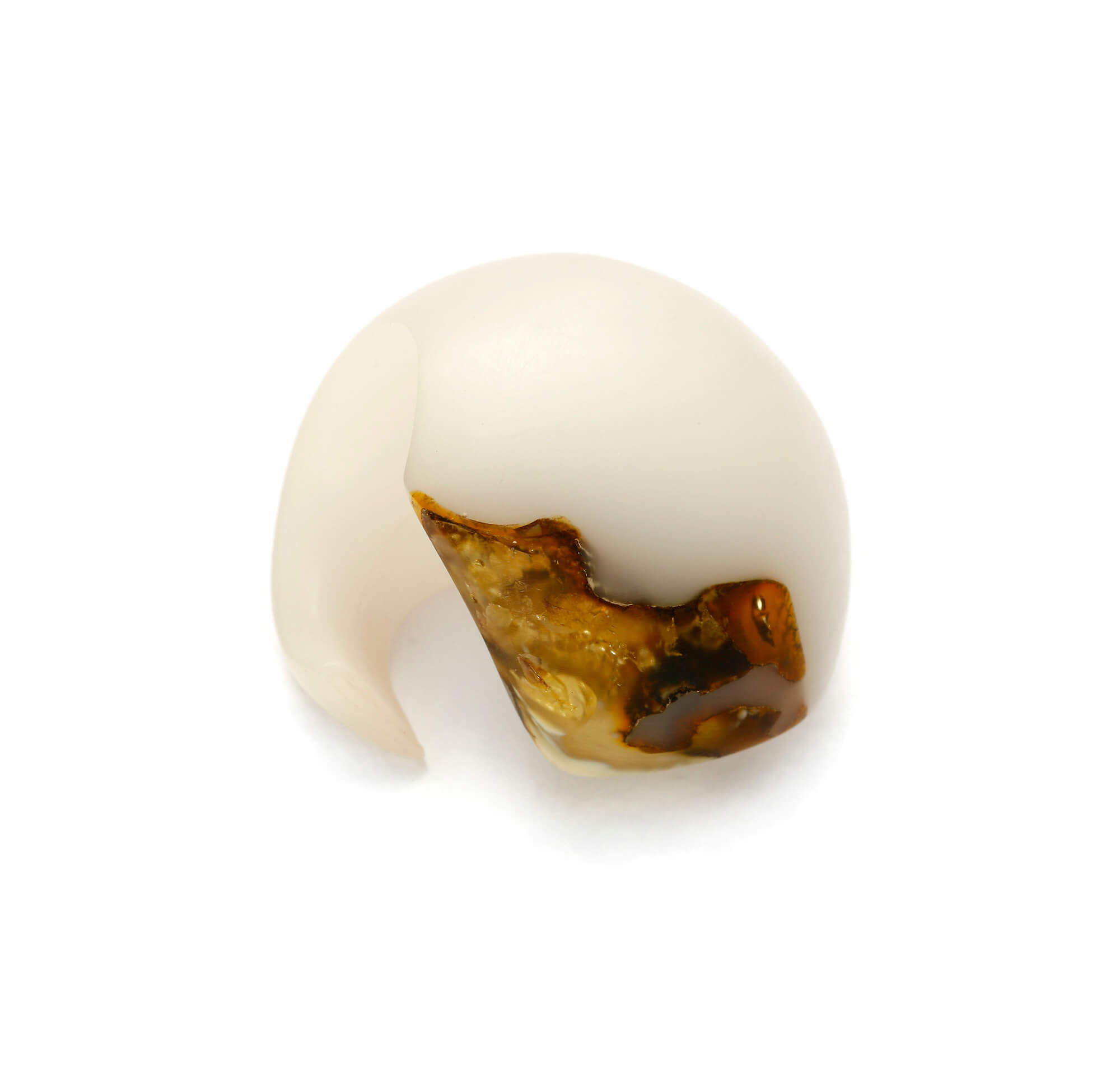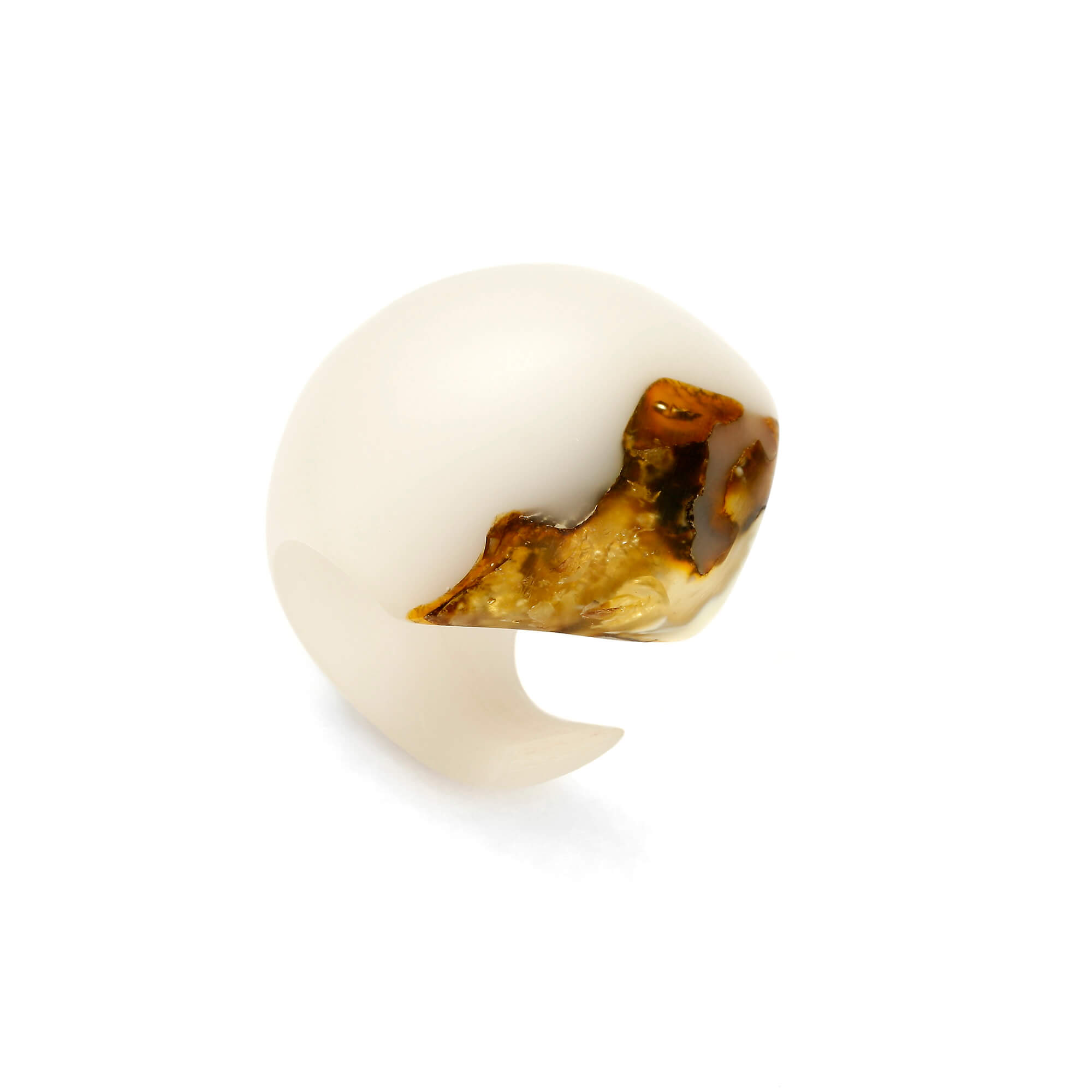
One of the key projects promoting original design featuring Baltic amber is being carried out jointly by: Gdańsk City Council, the National Chamber of Commerce for Amber, and the Faculty of Architecture and Design at the Academy of Fine Arts in Gdańsk. It was initiated nine years ago by Robert Pytlos – the amber coordinator at Gdańsk City Council. The initial idea, drawing on similar publications used in many contemporary creative industries (not only in the fashion industry), the essence of which lies in seasonal changes in style, was developed within the newly established Jewellery Design Studio at the Gdańsk Academy of Fine Arts into an effective promotional mechanism, enabling Tri-City designers to test their skills in the field of jewellery design based on marketing principles similar to those used in real-world business practice when designing product collections.
The tenth edition of the Trend Book is set to be launched in 2020. Alongside students from the Gdańsk Academy of Fine Arts, who have been involved in the project from the very beginning, a group of designers from the Association of Goldsmiths and students from the Academy of Fine Arts in Łódź have also been invited to contribute. Each time, the project identifies five macro-trends, derived from observations of stylistic trends emerging at major design festivals – including those in Milan, Eindhoven, Paris, London, Tokyo and Singapore – on the basis of which the designers create their own prototypes. These are unveiled at the Amberif trade fair, often marking the first professional encounter for future designers with the expectations of the public, but also – no less importantly – a confrontation between traditionally minded audiences and the aesthetics of the future – often far removed from today’s canons, but always heralding the direction of evolution that design is taking. This consistently implemented educational and implementation project has become a kind of laboratory in which new technologies, the use of non-standard materials and futuristic stylistic concepts are tested.
An extremely important aspect is the fact that this kind of research process is supported by the city of Gdańsk, and the outcome of the entire initiative – though sometimes at odds with the short-term expectations of impatient manufacturers – is not merely a product ready for immediate implementation, but the skills and knowledge of the designers, whose professional careers are launched through their participation in this project. We can take satisfaction in the fact that, thanks to their participation in the Trend Book, many jewellery designers who are now well-known were able to launch their professional careers: Emilia Kohut, Marta Hryc, Sara Gackowska, Monika Reptowska, Alina Filimoniuk, Małgorzata Szewczyk, as well as a whole generation of Tri-City designers who – although they have gone on to work in other areas of design – were exposed to contemporary design knowledge centred on Baltic amber, and whose portfolios include projects utilising it.